



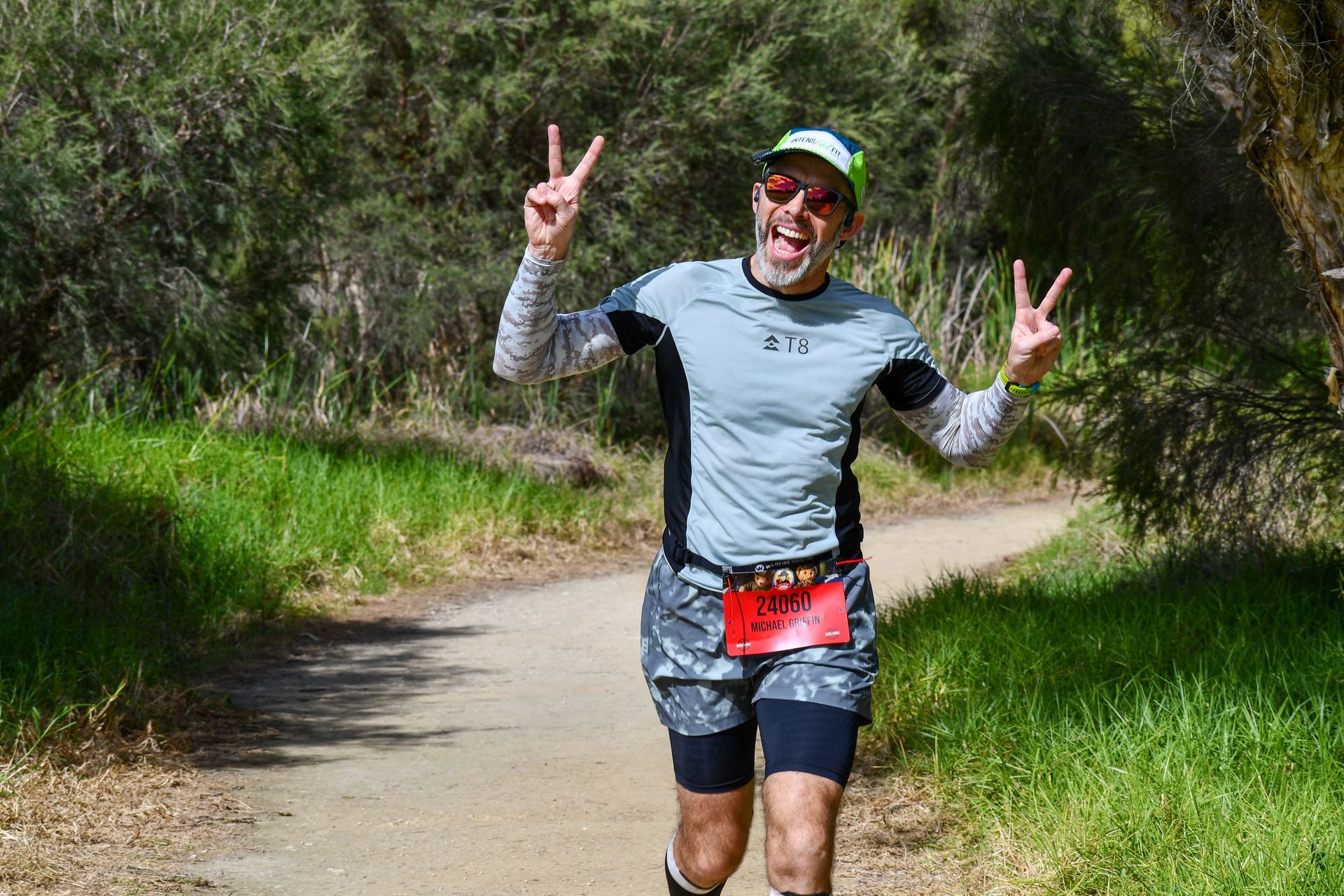
Lighthorse Ultra 24hr
Contributed by michael griffin
lighthorse ultra, 24hr
5 september 2026 - perry's paddock, wa
165.552km. 24 hours. 100 miles. 10th male.
It wasn't the race I came to Perth to run, but I'm surprisingly proud of it.
I arrived at Lighthorse Ultra genuinely excited. I'd been looking forward to this one for months, and for once everything about the preparation had fallen into place. No illness. No niggles. No work stress. Training had gone better than ever. The nutrition plan was prepared, the crew runsheet was done, and Bron and Sam knew exactly what we were trying to achieve.
The target was 220km, and, if I'm being completely honest, I thought I'd get there. After running 217km at Butter earlier in the year, an extra three kilometres didn't seem like a particularly big ask.
220km felt almost guaranteed.
That confidence made the first few hours pretty enjoyable. The plan was simple: settle in, keep the effort controlled, stay reasonably close to the leaders without getting sucked into racing too early, manage the heat and get to know the course.
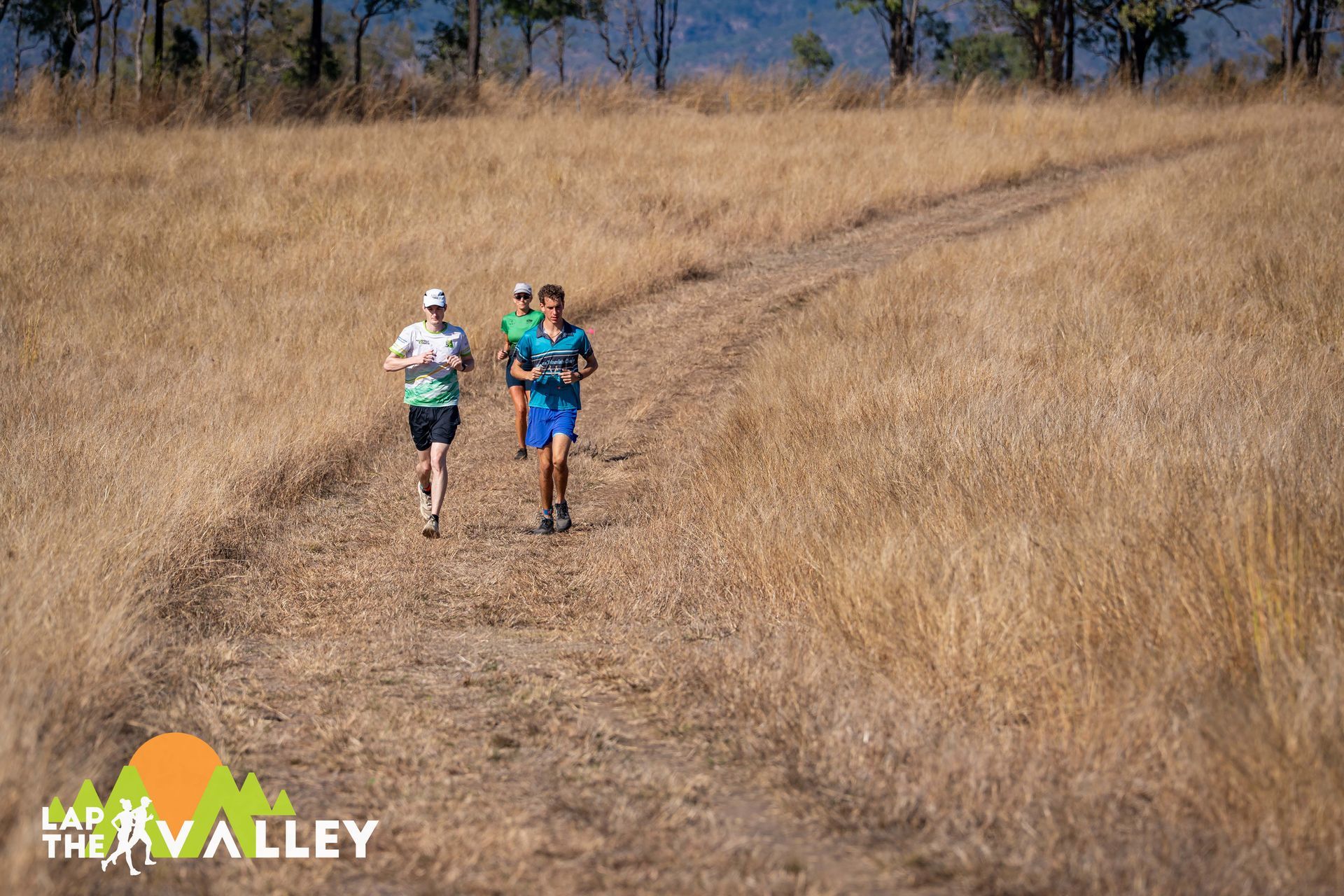
And the course was fantastic. Footpaths, gravel trails, boardwalks, bridges, grass and plenty of changes in scenery. Tree cover. Wildlife. Birds everywhere. The Avenue of Honour. A great event village with music, coffee and food. Every few hours the course direction changed, giving everyone another little reset and plenty of opportunities to high-five runners and volunteers. The weather was also much kinder than I'd feared. Cloud cover kept the heat under control and, for the first 50km or so, everything felt exactly as it should.
I was running well. My heart rate was under control. My legs felt good. My feet felt good. I was eating and drinking. I was chatting to runners I'd previously only known online. This was going to plan.
Then, somewhere around five hours in, the warning light came on. It was a feeling I'd experienced before. Not a particular pain. Not an obvious injury. Not really a breathing or cardiovascular problem.
Just - the batteries were running low.
The pace I was running suddenly felt like it required far more effort than it should, and almost immediately, the confidence disappeared.
"Oh s**t. Is this happening again?"
I'd experienced something very similar at Southern Sydney.
That was the moment the thought entered my head:
"Crap. I'm not going to make 220... again."
That hurt.
Not just because of the distance. I'd put an enormous amount of work into this year. I'd changed training. Changed nutrition. Changed the preparation. Worked with my coach. Prepared contingency plans. I'd travelled across the country with Bron. I'd asked her to take time off work. I'd told people I was going for 220km.
And now, once again, my body seemed to be telling me that the number I'd built the whole thing around wasn't going to happen. But there was still a long way to go. So I kept moving.
The next several hours became a strange combination of running, walking, eating, drinking and trying to solve a problem I didn't really understand. There were short breaks. The weather deteriorated. The course became wet and sloppy. And eventually, somewhere around the 100km mark, I reached the point where continuing immediately didn't seem sensible.
I stopped.
Not a DNF. Not "I'm finished."
More like: "I'm stopping... for now."
I was soaked. I was shivering despite having rain gear on. I was exhausted.
Bron and Sam did what a good crew does. They convinced me to sit down, get warm, get dry and eat. Chocolate milk turned out to be particularly effective!
Bron eventually went off to sleep. I went back out for a course direction change after roughly an hour, came back and told Sam he could sleep too.
Then I climbed into a recliner, threw on a blanket and pulled my buff over my eyes and ears.
Sleep wasn't exactly luxurious. My watch was reminding me about nutrition every 30 minutes. There was a speaker only a few metres away. Runners were coming through. People were talking, groaning and, occasionally, snoring. But it was enough.
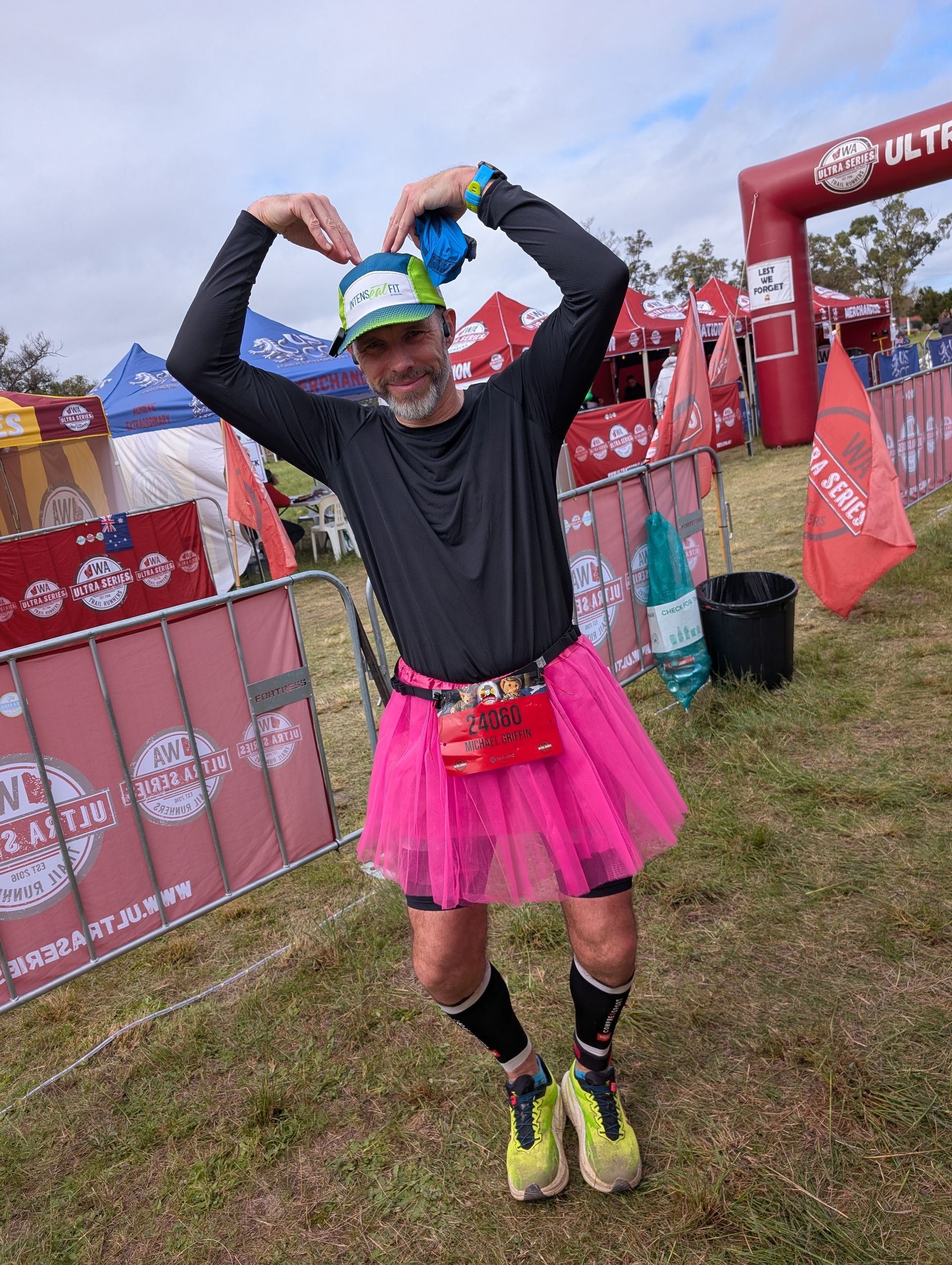
It gave me something I desperately needed: a reset. When I woke again, the rain had stopped and it was time for another course direction change. So I went back out. Alone.
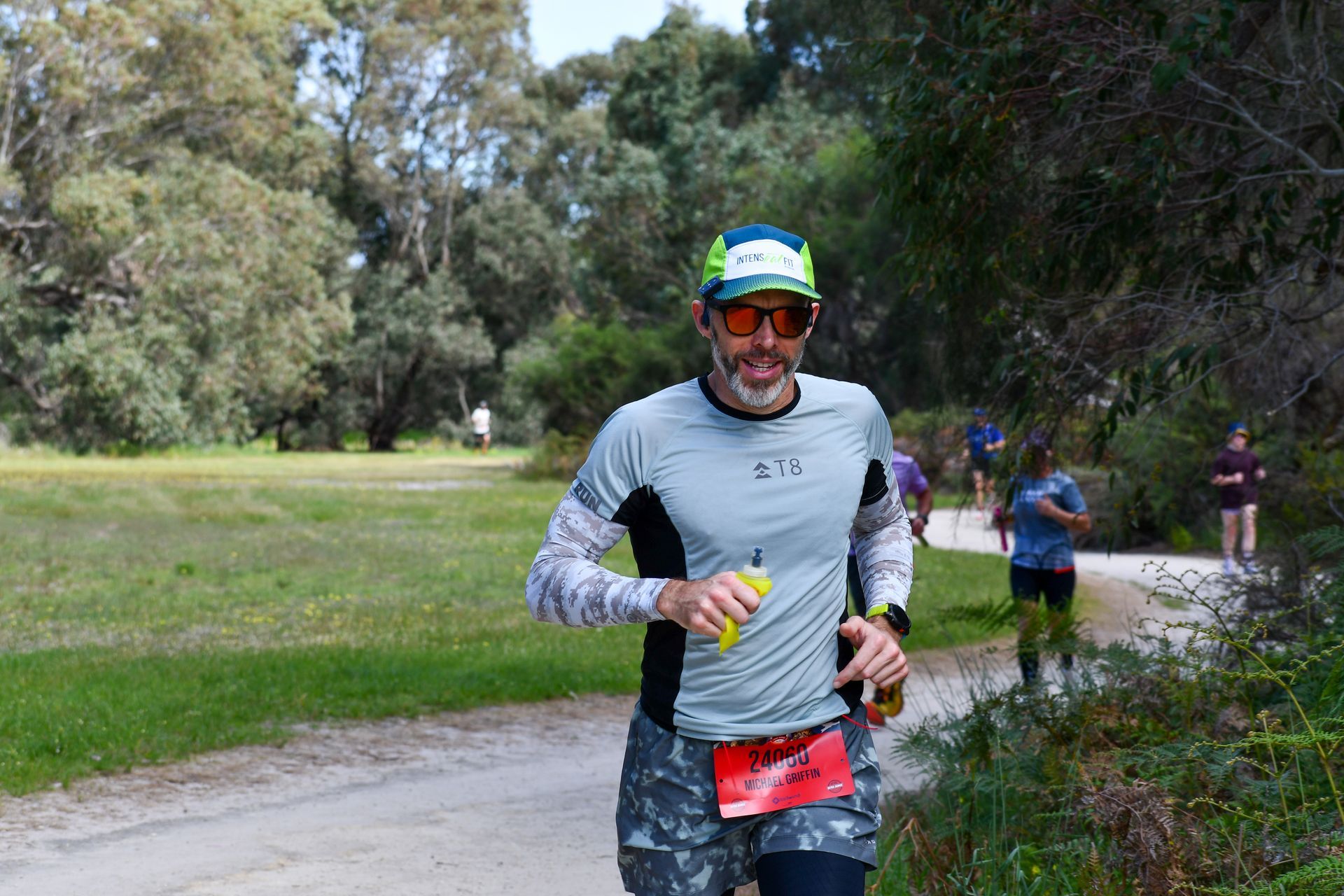
And something unexpected happened. My body still worked. My feet were okay. My legs had strength. I could run. Not fast. Not continuously. But I could find a rhythm. Run a bit. Walk a bit. Repeat. The darkness eventually started giving way to daylight. The birds started up. And somewhere around sunrise, the race became a different kind of challenge.
220km was gone. But 120 was possible. Maybe 140. Maybe 160? Maybe I could still pick up some places. So I kept going.
And this is probably the part of the race I'm most proud of. I could have stopped. Nobody would have questioned it. I'd already been through the point where the original goal had disappeared. But I wasn't prepared to spend the rest of the year wondering what might have happened if I'd just kept moving.
So I kept moving.
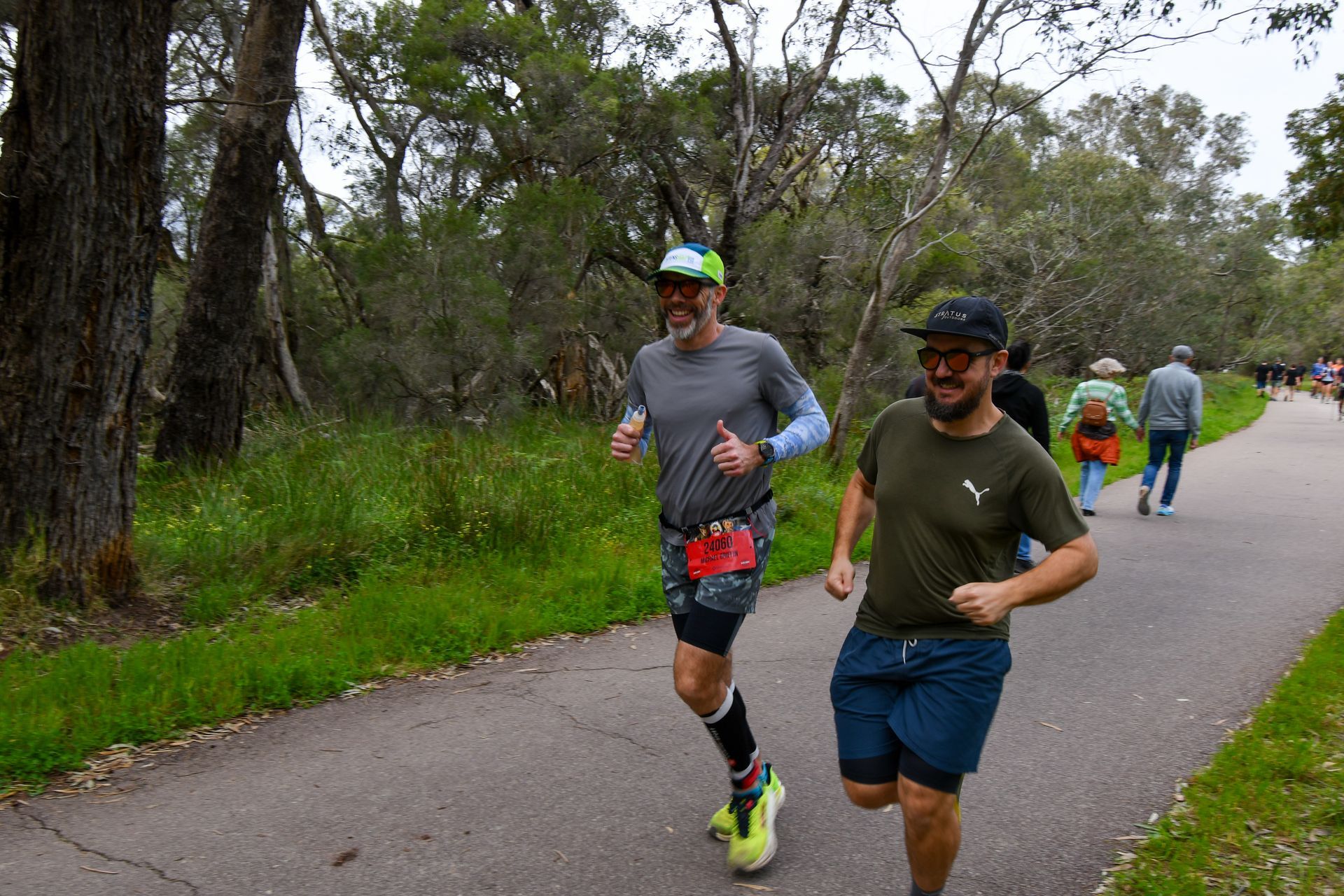
With an hour to go, pacers were allowed on course and Sam joined me. It was the first time we'd actually run together, and the first time I’ve ever had a pacer in a 24 hour event. He's a local Perth runner, and by this point I was pretty happy to have someone beside me.
My instinct was to be conservative. Sam's wasn't. "Push!"
So we pushed. With about half an hour left, the maths suggested we'd get one more lap. We lifted. We came through the checkpoint with six minutes remaining. And that was when the competitive switch flipped back on.
"Aaaaggghhh — we've gotta keep running!"
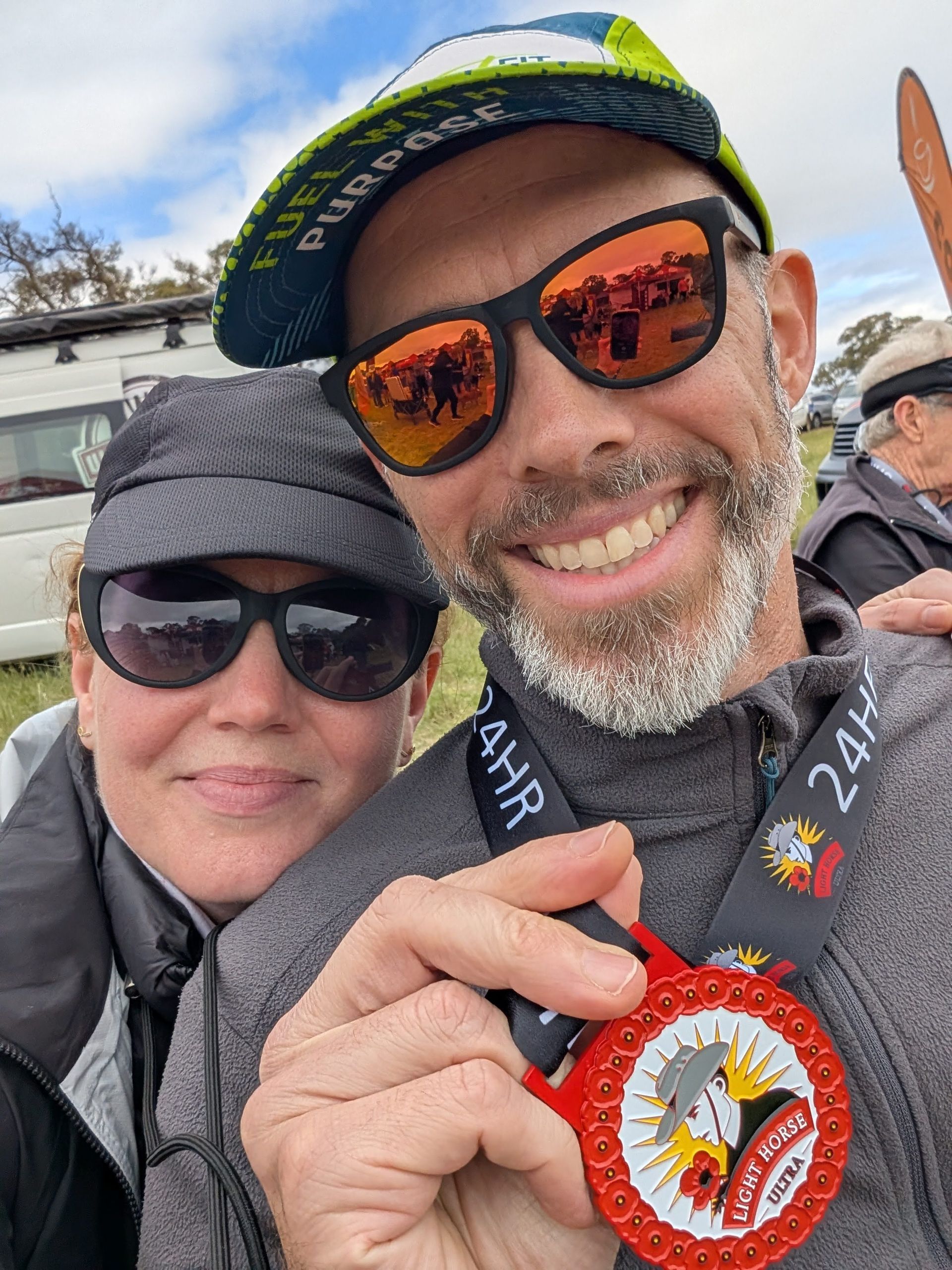
We went again. The final lap was one of my quickest of the race. I crossed the finish line with the official distance eventually recorded at 165.552 km. More than 100 miles. And then the final surprise. The preliminary results had me sitting in 13th. Once the final distances were sorted, I'd moved up to 10th male. The final push had actually mattered.
I hadn't run 220km. I hadn't even come close. But I’d remained on course. I’d finished the race. And after the way the middle of it had gone, that meant a lot.
There are still plenty of things I don't understand about this race. Why did the same profound fatigue appear again? Why did my pace suddenly become disproportionately difficult when my breathing and heart rate felt relatively controlled? Did I try to do too much this year? Is there something in the training load, pacing, fuelling, recovery or race strategy that I'm still missing?
I don't know yet. And I'm okay with that. For now. Because one thing I do know is that the preparation wasn't wasted. The nutrition strategy worked remarkably well overall. I had some nausea, but never got close to vomiting. The variety helped. The gut training I'd done beforehand paid off. Hot food overnight was legendary. My feet survived 24 hours in wet conditions with no blisters and no lost toenails. My body came out of the race in surprisingly good shape.
And, most importantly, when the race got really hard, I didn't quit. I adapted. I rested. I went back out. I found another rhythm. I finished. I haven’t done that before.
There's another reason this race feels particularly special.
Although I didn't get the result I'd travelled to Perth for, I'm incredibly grateful that I got to be part of it.
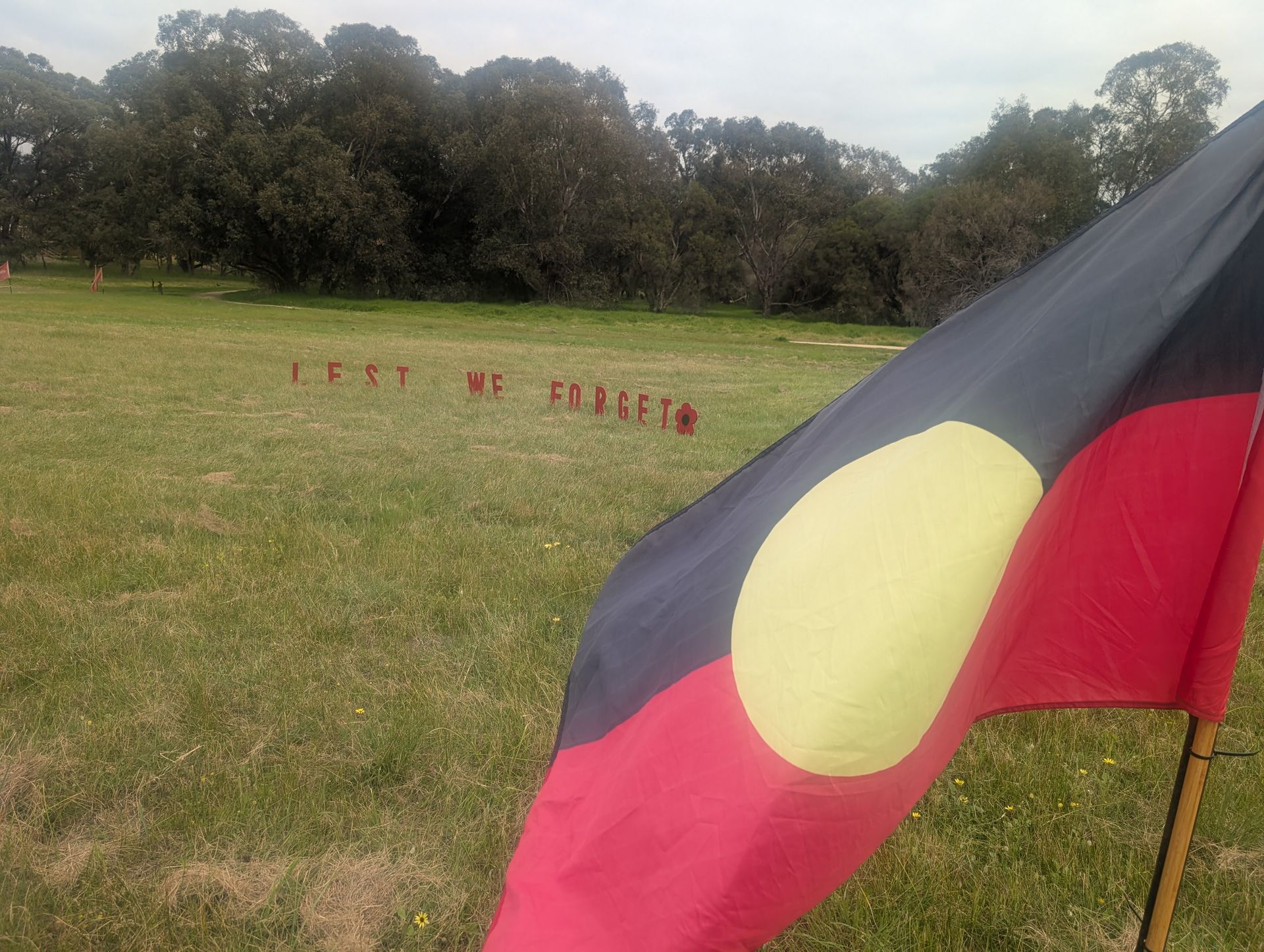
The WA Ultra Series team created a brilliant event. The course, the volunteers, the atmosphere, the remembrance of those who served, the runners, the crews and the crazy little community that forms around 24-hour running all made it something I'll remember for a long time.
For now, I'm calling 2026's racing season done. I'm going to take a break from structured training. Run because I want to.
Run because it's fun. Go on some adventures. Then I'll sit down with the data from this year and try to work out what actually happened. Because 220km wasn't achieved at Lighthorse. But I'm not finished trying to understand how to get there.
165.552km.
24 hours.
100 miles.
10th male.
Not the result I wanted. But maybe a more useful one than I realised when I crossed the line.

share this
IN OTHER NEWS
