

SO YOU WANT TO RUN AN ULTRA?

SO YOU WANT TO RUN AN ULTRA?

Kate Dzienis • July 19, 2023

Getting Started In This World Of Ultra Running

by Isobel Tait


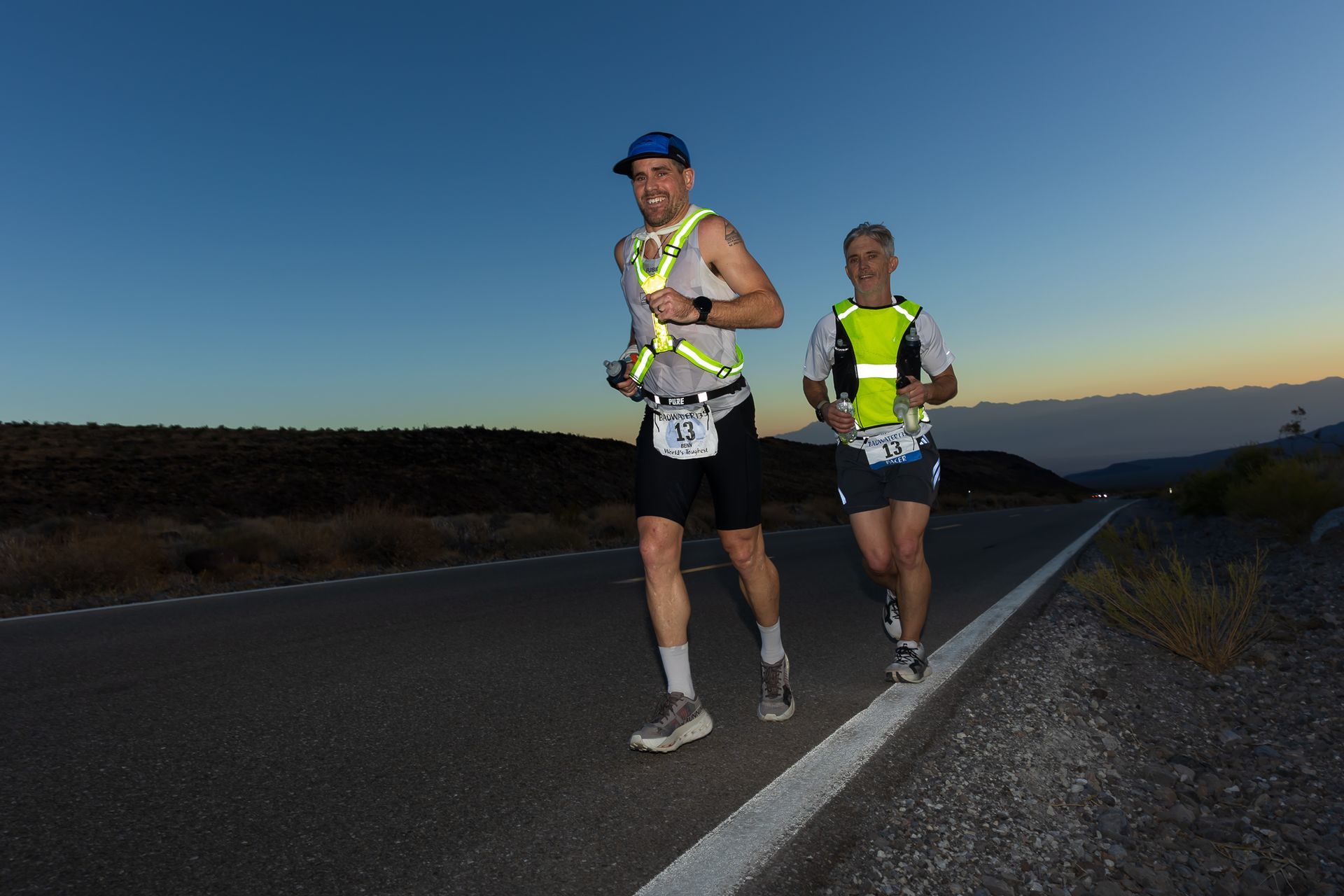
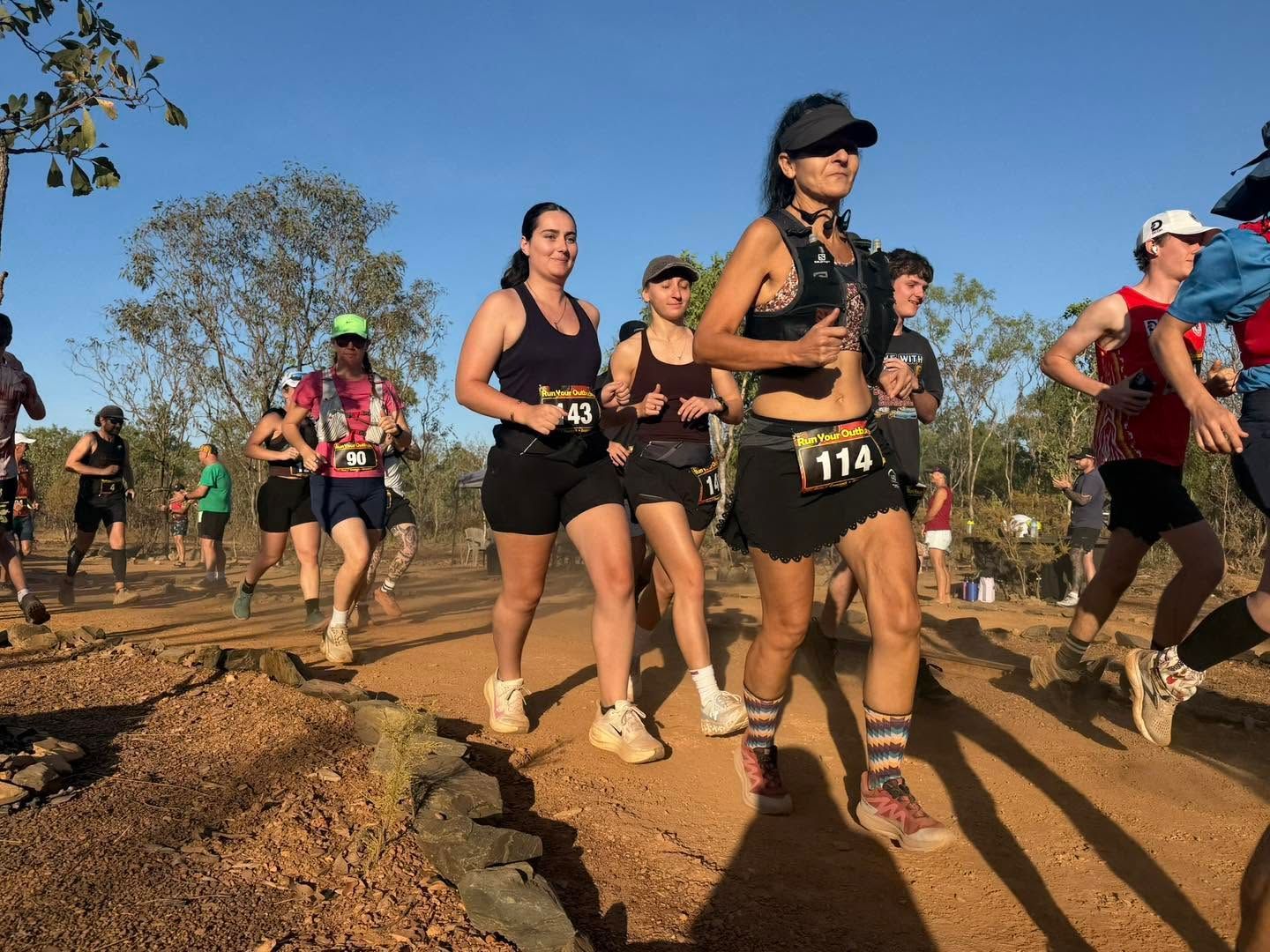
IT SEEMS THESE DAYS THAT A MARATHON IS NO LONGER ENOUGH. Now everyone wants to run an ultra-marathon, any run that is longer than a 42.2km marathon. So yes, a 45km race is an ultra! But who wants to only do 45km? In these days of less is more, with ultras more really is more.

The most popular ultra distance is 100km, but you can also opt for 100 miles, 200 miles or track/loop races that can go for anywhere from 6 to 48 hours…sometimes even 6 days. What fun I hear you say! Indeed it is, but only if you put in the training. Yes, there is always a caveat.

Training for an ultra needn’t be too daunting. As you are already a runner, it will simply involve a few modifications to your training plan.

GET STARTED WITH TRAINING

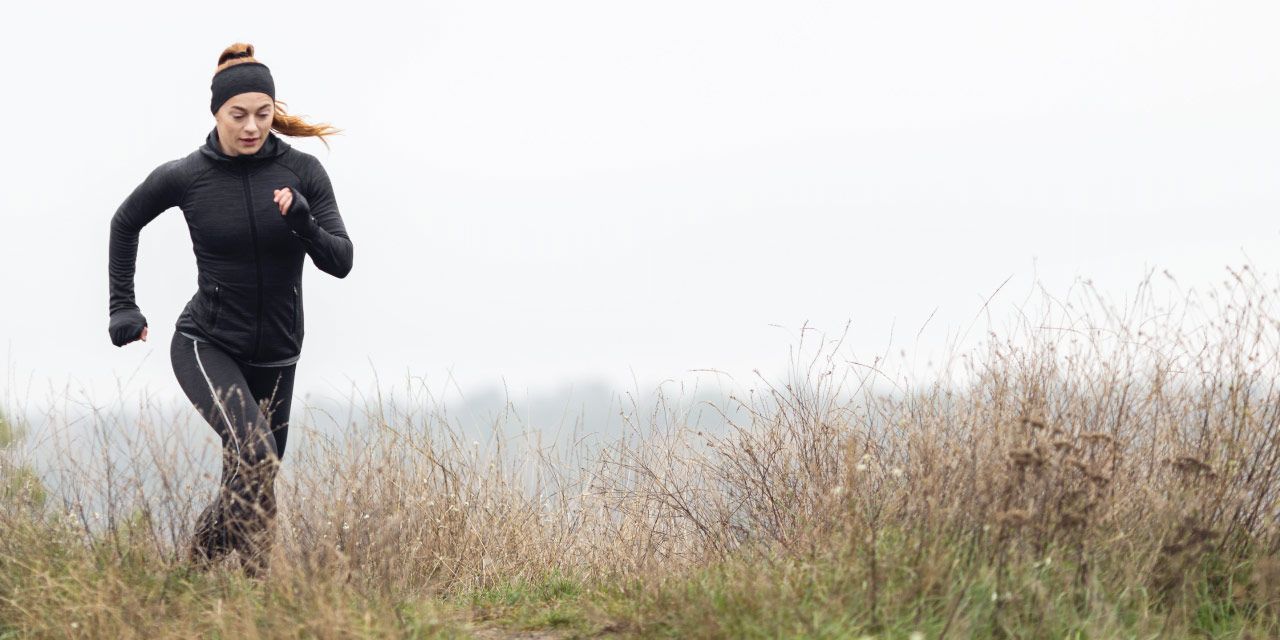
Training for an ultra does not require absurd amounts of time running. You will need to run about 5-6 days per week though. You will need to do some higher intensity speed work. Even though it is an ultra and they tend to be run slower than a short race, you still need to teach the body to run fast…in case you need to sprint up a hill or past a competitor.

Quality runs would involve one session of short intervals (anywhere from 1-4 minutes) run at a hard pace of about 80-90% RPE (Rate of Perceived Exertion) and one session of tempo running. Tempo running helps to build the ability to run at faster pace for a longer time. I like to say the feeling for these blocks within the run should be ‘comfortably uncomfortable’.

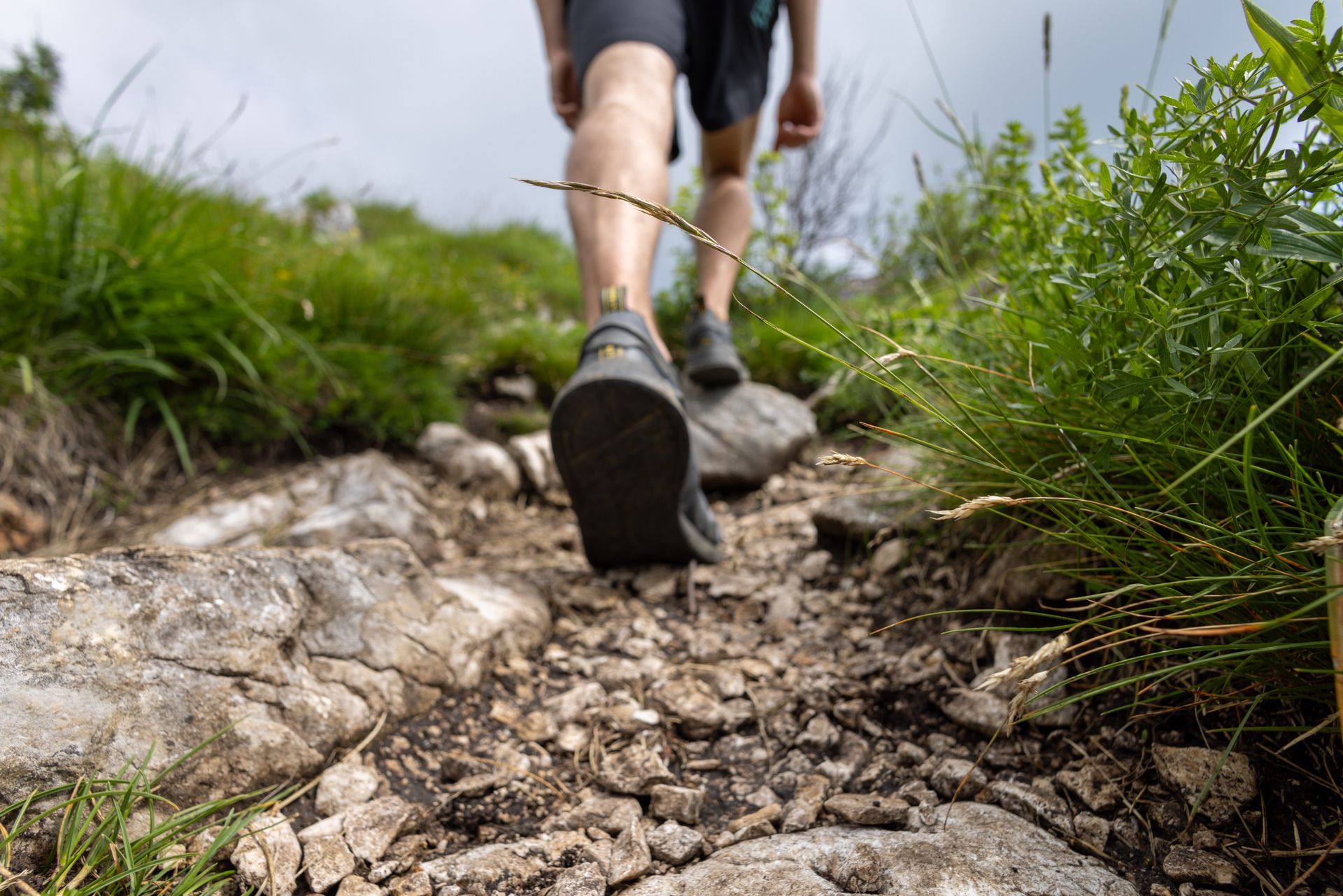
You will also need some easy days to shake out the legs between quality sessions and after a long run as well as build the leg/tendon/mitochondrial strength of the body. Part of the program would also include one to two long runs per week to build your endurance and mental strength. For a 100km race, the long run really does not have to be more than 50km or thereabouts. Where you run this long run depends on your races; if your race is mountainous you should predominantly run it in the mountains, if it’s on the track, run some of them on the track. Even if you are going to race in the mountains it’s good to do some long runs on the road to build the ability to urn without hiking. Conversely, if you race on the roads/track, it’s good to run in the hills at times to build leg strength. If you are doing a 100 or 200 miler, you may need to do back-to-back long runs to teach your body to run on tired legs. This means a long run Saturday, followed by another on Sunday. The weekday runs need not be more than an hour to ninety minutes each session.

NUTRITION

Long runs are also a great time to test your nutrition. This is as individual as the runner themselves. Some runners can run on gels alone, other use gels and chews, others use these with some real food in the mix. The longer the race, the more likely you will want to eat some real food (vegemite sandwiches, vegie soup, potatoes, etc). A 100-mile race can last for anywhere up to 30-40 hours. A 200 considerably more. Just remember, running diverts blood flow away from the stomach, leading to the possibility of ‘gastric distress’, a very real and painful condition. Hence the importance of testing what works for you.

STRENGTH WORK

Another component of training is strength work. Once again, this does not need to be too time-consuming, but 2-3 times per week is a good idea. Each session will be about 30-45 minutes and will focus on upper and lower body strength. Strength work keeps your body robust and helps you become a more balanced athlete.

SLEEP AND REST

The final, and most important, part of training is sleep and rest. Sleep is when the body recovers and re-builds muscle. Rest is when the body improves. Training breaks down the body, sleep and general rest is when the body gets stronger. Neglect this aspect of training at your peril.

IN A NUT SHELL

So, there you have it, training for an ultra in a nutshell. Running an ultra is an amazing feeling. The sense of accomplishment when you complete this monumental effort is beyond belief. Get out there and get running! You’ll thank me later!


Isobel Tait, UESCA Ultra-running coach, Athletics Australia Level 2 Recreational Running Coach, UESCA Cycling coach, UESCA Endurance Nutritionist, Sports Nutritionist, Cert III and IV Personal Trainer.

Isobel Tait is an endurance running athlete who has raced around the world competing and excelling in rugged mountain races. She became an endurance coach because she loves using her vast knowledge and experience to help athletes become the best they can be when running and racing the trails.


Isobel Tait
Head Coach at Peak Endurance Coaching

https://www.peakendurancecoaching.com.au/

By Dave Martin March 14, 2026
AUTRA’s Annual General Meeting (AGM) will be held on Wednesday 15 April 2026
March 12, 2026
AUTRA has been in direct contact with the organisers of the Snowies Trail Run Festival, In2Adventure, regarding a recent situation involving an athlete and the event’s in‑person safety briefing requirements. In2Adventure has confirmed that the situation was discussed directly with the athlete at the time.​ From In2Adventure’s account, and for the purpose of clarifying the public record, AUTRA notes the following points:​ At no stage was the athlete prevented from breastfeeding at the event.​ The organiser states that the following options were offered to enable the athlete to participate while still meeting safety requirements: a quiet and private space where she could breastfeed while still being present at the briefing; the option to receive the required briefing at the 30 km start line after the start; and the option to change her registration to the 21 km event, where the briefing is conducted on the start line.​ At no stage prior to event registration on Saturday night did the athlete contact the organiser to advise of her situation or request alternative arrangements, which limited what could be put in place at the time.​ Face‑to‑face safety briefings have always been a requirement for In2Adventure events due to the remote and higher‑risk nature of the trails. AUTRA was aware that in‑person briefings were used and had not raised concerns about that general approach. The organiser has indicated that this requirement is driven by safety, duty‑of‑care and insurance obligations, and follows previous experience where remote or online briefings resulted in athletes starting events without critical safety information.​ The organiser maintains that the event was not conducted in a manner that was intended to be non‑inclusive, inflexible or discriminatory, and that decisions made on the day were based solely on safety requirements that apply equally to all participants.​ AUTRA’s aim in issuing this statement is solely to clarify the context and ensure that the public record reflects the information provided to us by the organiser.
By Kate Dzienis March 12, 2026
Results for 2026 Lark Hill Party Ultra, Belair Marathon, Mirrim Wurnit Back Paddock Ultra, and Coombabah Trail Run.
By Dave Martin March 2, 2026
Carrying that mandatory gear
March 1, 2026
James Sieber explains how a training plan only works when it matches the person.
LOAD MORE

share this

IN OTHER NEWS

By Dave Martin March 14, 2026
AUTRA’s Annual General Meeting (AGM) will be held on Wednesday 15 April 2026
March 12, 2026
AUTRA has been in direct contact with the organisers of the Snowies Trail Run Festival, In2Adventure, regarding a recent situation involving an athlete and the event’s in‑person safety briefing requirements. In2Adventure has confirmed that the situation was discussed directly with the athlete at the time.​ From In2Adventure’s account, and for the purpose of clarifying the public record, AUTRA notes the following points:​ At no stage was the athlete prevented from breastfeeding at the event.​ The organiser states that the following options were offered to enable the athlete to participate while still meeting safety requirements: a quiet and private space where she could breastfeed while still being present at the briefing; the option to receive the required briefing at the 30 km start line after the start; and the option to change her registration to the 21 km event, where the briefing is conducted on the start line.​ At no stage prior to event registration on Saturday night did the athlete contact the organiser to advise of her situation or request alternative arrangements, which limited what could be put in place at the time.​ Face‑to‑face safety briefings have always been a requirement for In2Adventure events due to the remote and higher‑risk nature of the trails. AUTRA was aware that in‑person briefings were used and had not raised concerns about that general approach. The organiser has indicated that this requirement is driven by safety, duty‑of‑care and insurance obligations, and follows previous experience where remote or online briefings resulted in athletes starting events without critical safety information.​ The organiser maintains that the event was not conducted in a manner that was intended to be non‑inclusive, inflexible or discriminatory, and that decisions made on the day were based solely on safety requirements that apply equally to all participants.​ AUTRA’s aim in issuing this statement is solely to clarify the context and ensure that the public record reflects the information provided to us by the organiser.
By Kate Dzienis March 12, 2026
Results for 2026 Lark Hill Party Ultra, Belair Marathon, Mirrim Wurnit Back Paddock Ultra, and Coombabah Trail Run.
ALL NEWS