

6 Inches of Adventure

6 Inches of Adventure

Dave Martin • January 28, 2026

race report

6 inch trail ultra - december 2026


by david martin

The 6 Inch Ultra, held every December in Western Australia, is a tradition, an institution.

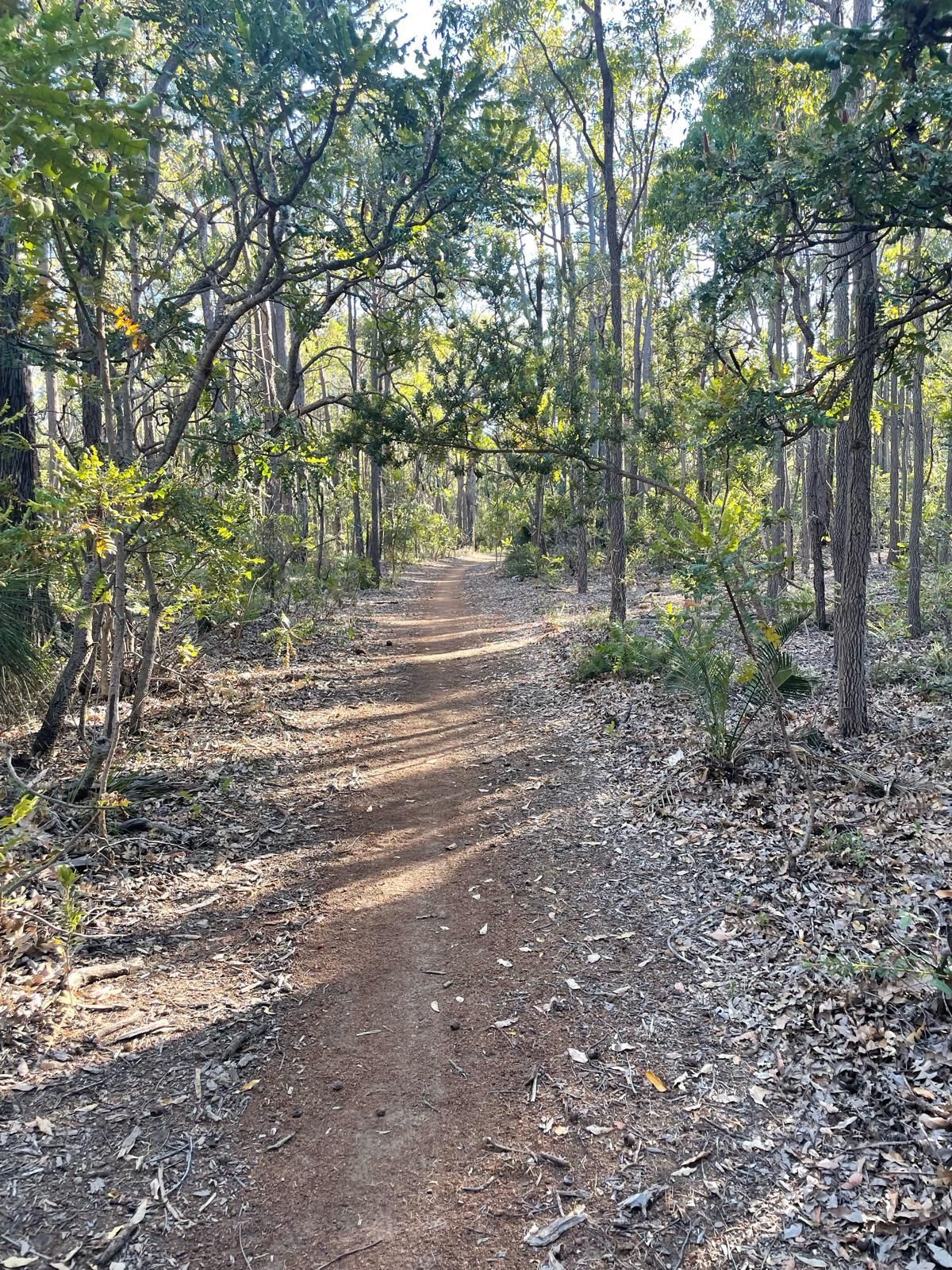
It’s 46 km (23 km if you’re doing the “3 Inch”) from North Dandalup to Dwellingup along a section of the Munda Biddi, meaning “path through the forest” in the Noongar language spoken in the South West of WA.

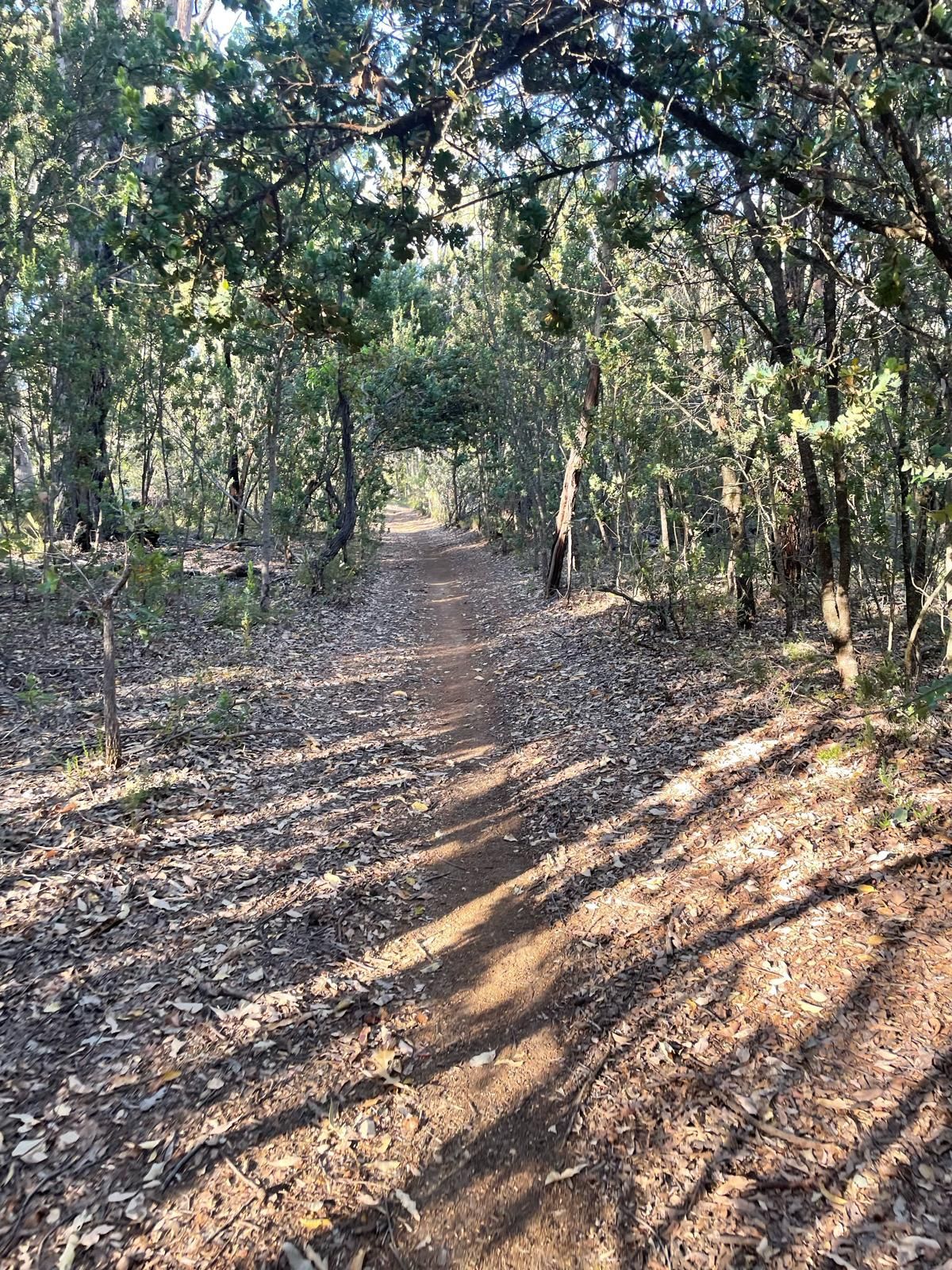
The name and the trail are a perfect fit. Designed primarily for mountain biking, the route has fewer obstacles and a nice flowing shape to it, which means you can hold a good pace and rhythm once you find it.

This was my second time on the course, and for me it was different. Since my first attempt, I had put together a full ultra year, over 700 km of ultra-distance racing. Three milers under the belt, a bit of arrogance had crept in. “What’s a simple 47 km?” I thought. Even my non-running friends chimed in with similar comments.

When I talk about running, which is frequently, I also talk about respect. Respect for the event, for yourself, for the volunteers and organisers, and for the rules that exist to protect you and keep you safe. I came across a quote recently, unrelated to running but perfect all the same: “Fearlessness, tempered by a fear of failure.” That really sums up how I try to approach ultra events.

For me, this year’s “6 Inch” felt too easy, at least before the start. I had finished the brutal Feral Pig Miler only six weeks earlier and, despite a sore knee from getting back to training too soon, I figured I could push through. After all, I had done three milers.

Spoiler alert, humble pie was consumed.
Getting There Is Half the Battle

The first challenge is always the start time. I parked my car at the finish line in Dwellingup and caught the organised coach back to the start. With a 4:30 a.m. start, the coach leaves at 3 a.m., meaning a 1:30 a.m. alarm, a 1:45 a.m. departure, and an attempt to fall asleep around 3 p.m. the afternoon before.

So I got everything done early on Saturday, avoided coffee, and aimed for rest. I actually did fairly well, but left the house a bit late and made it to the coach collection point with only four minutes to spare.

We rolled into North Dandalup Hall where those needing to do their gear checks, while the rest of us hung around looking for familiar faces. Compared to last year, I wasn’t the wide-eyed newbie anymore, I actually knew people. A good bunch from the Ultra Series were there: Andy and Dell, Bianca, Felix, Glen, and Alexis. “Big Kev” was nowhere to be seen, probably arranged his own lift and squeezed in more sleep, the cheeky sod.

Around 4:15, David Kennedy (RD) started shooing people back onto the coach to head to the start, the infamous Gold Mine Hill.

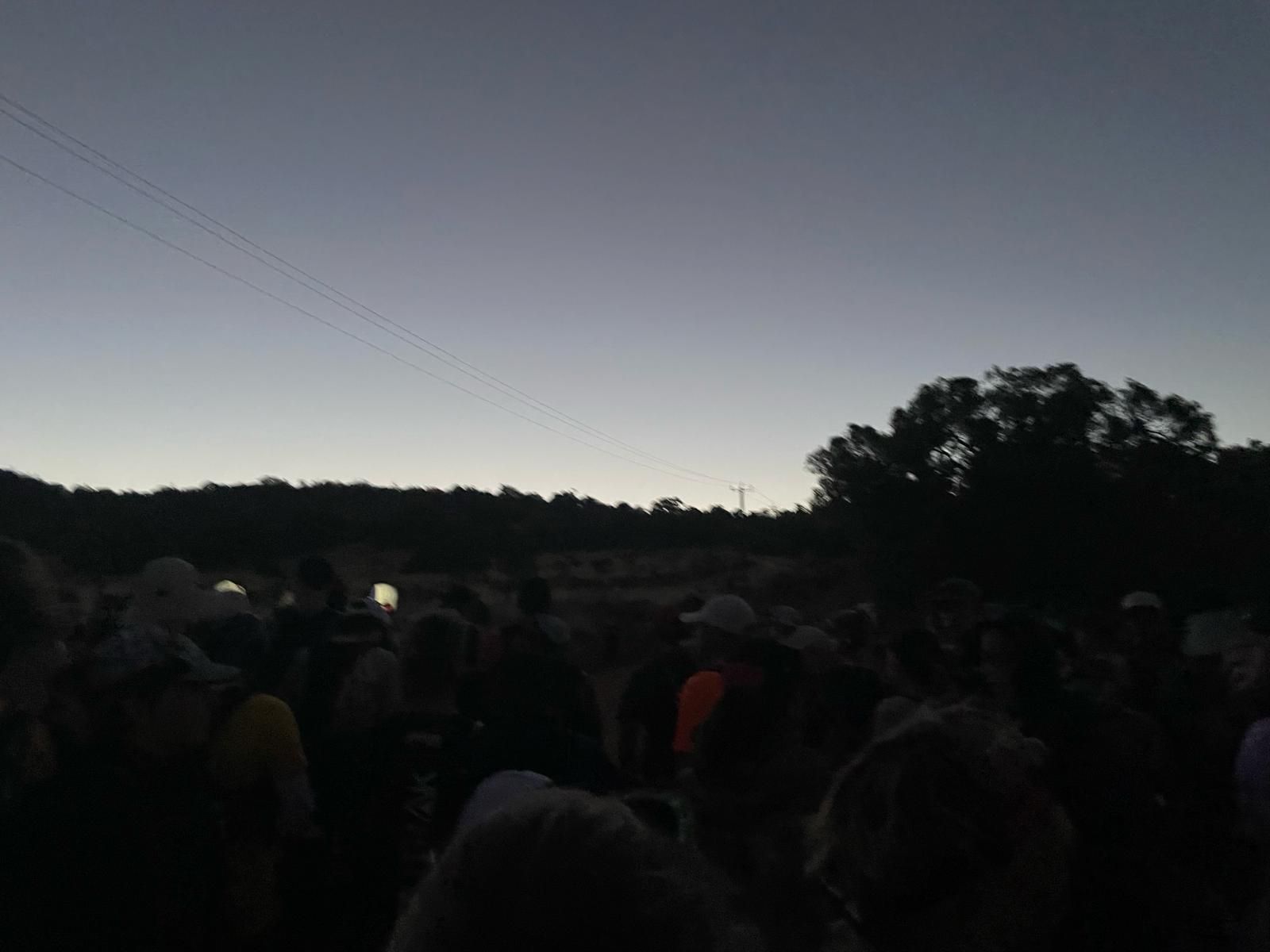
It was cold. Luckily Andy and Dell had found a blanket somewhere, and we all huddled together like penguins waiting for sunrise.

When the event starts, that collective discomfort disappears. The nervous chatter, the yahooing, the energy of a start line full of like-minded lunatics, you just can’t beat that atmosphere.

The race briefing was classic: “I’ll keep it simple, head south, don’t get lost, and I’ll see you in Dwellingup in a few hours.”

With around 430 entrants across the two distances, the odds of getting lost or stuck are pretty slim anyway.
The Race

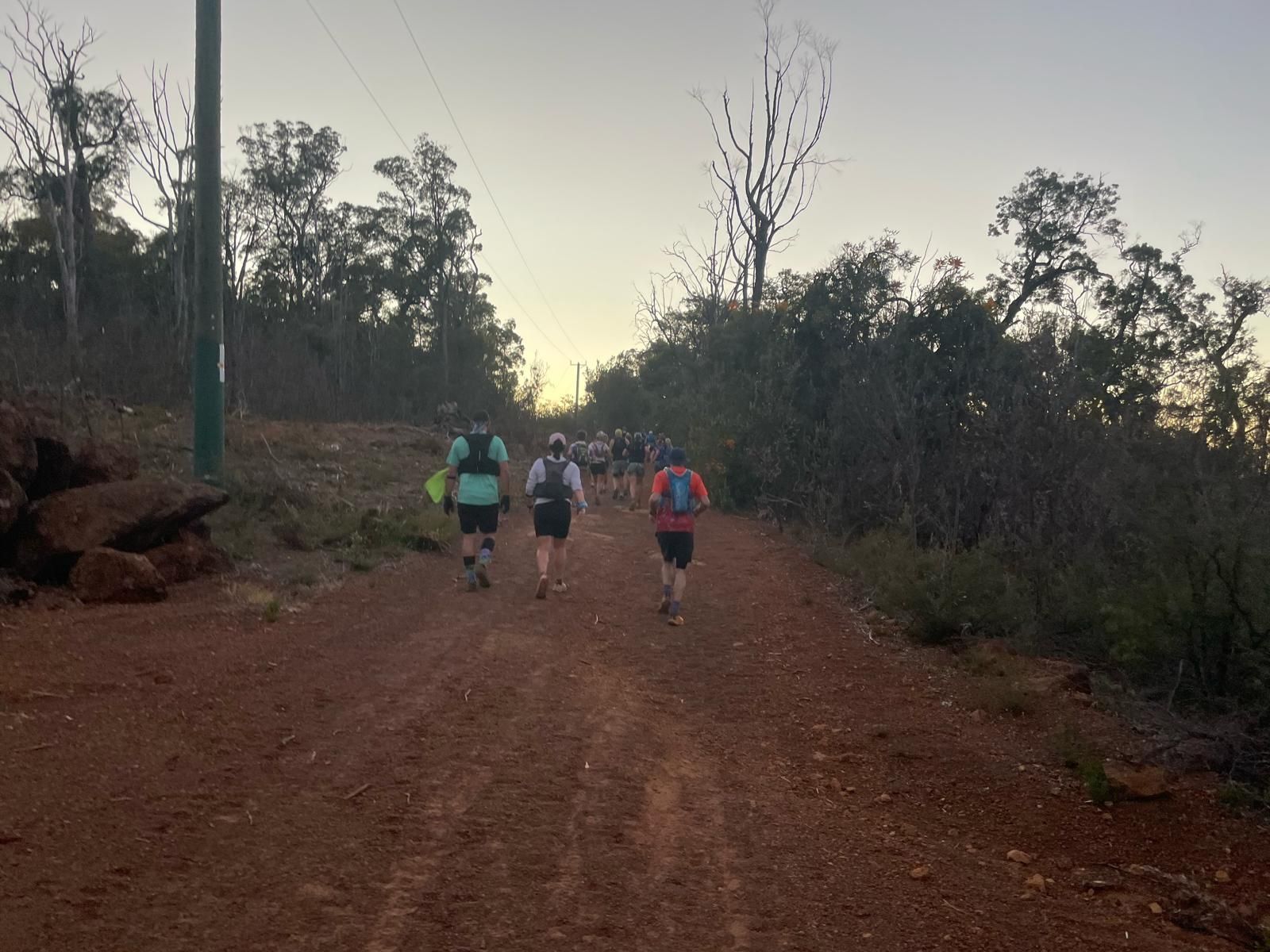
The race kicks off with a brutal climb up Gold Mine Hill. It’s a shocking way to start, much like Yaberoo but longer. Most people hike, the leaders run. A solid hiking pace gets you up in ten to fifteen minutes.

At the top, I was still walking with the same pack, my knee reminding me of its existence. I hadn’t decided how hard to push, I had a 200 miler coming up in April and didn’t want to risk it.

After about five minutes of walking, I asked myself, why bother driving all this way in the middle of the night just to walk 47 km? So I took off.

Over the course of the year, I had conditioned myself to sit around 6–8 km/h for long stretches, but on this course, with its eight hour cutoff, that was too tight. I needed to push a little harder to buy some breathing room. Fear of failure, a slice of ego, and a touch of arrogance pushed me through the first half, hitting the 23 km aid station about twelve minutes faster than last year. I was happy. My knee wasn’t.

After refilling bottles and a quick stop under ten minutes, getting moving again was, let's say, unpleasant.

That’s when another decision came back to bite me, I hadn’t brought trekking poles. “It’s only 47 km,” I’d told myself. “Who needs poles for that?” Well, apparently people with sore knees and common sense.

With no poles, I shuffled on, trying to hang with Alexis, who had caught up after I broke away from the walking pack earlier.

By then, I knew I was probably walking most of the back half. At 5 km/h, I’d barely make it in thirty minutes before the cutoff, far too tight for comfort. I’ve never, touch wood, DNF’d a race. It’s something I’m proud of and determined to protect.

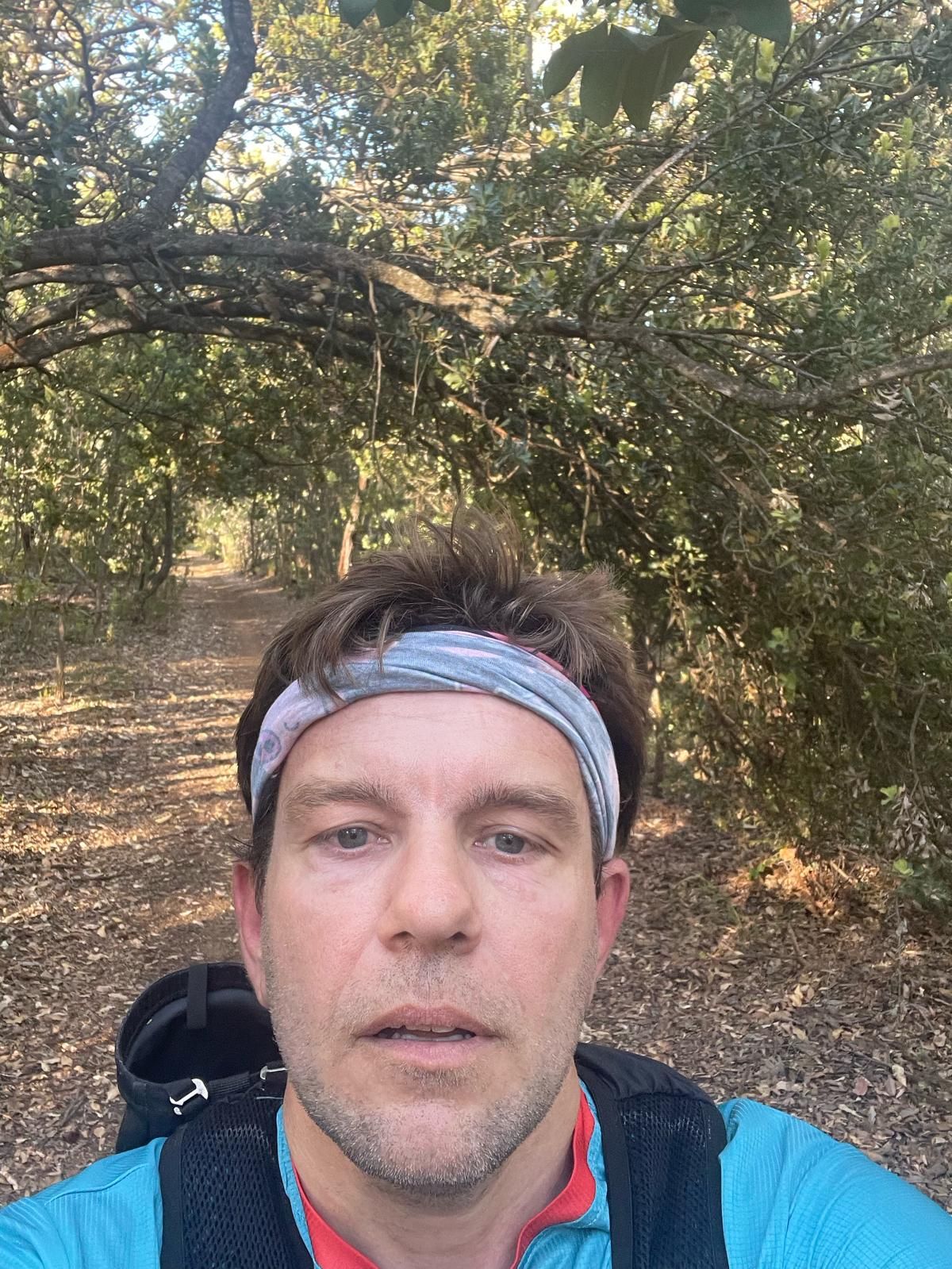
So I kept moving, shuffling when I could, jogging sometimes, walking when I had to.

The next aid station at 34 km was a much-needed relief. But to earn it, you climb the Escalator, which after last year’s earthworks was carved up with ruts and loose footing. The out-and-back just before it had some nasty descents that cost me three stumbles in as many minutes. The course was teaching me a necessary lesson, respect.

I made the 34 km aid station in about four hours. A PB was off the table, now it was all about surviving and finishing. Someone had Panadol, I took two down with a mouthful of Coke, topped up my bottles, and headed back out with Andy and a few others.

Andy, being Andy, had sped ahead earlier “to eat his sardines in peace.” No judgment here, we’re all a bit eccentric in the Ultra scene.

With his sardines demolished and the tin ditched at the aid station, we moved off again. Within about ten minutes I was off the back, shuffling alone again and nursing the knee. Once the Panadol kicked in around five kilometres from the end, I was back to running stretches.

I chatted with a few people along the way, including one bloke I tried to convince to take on the Delirious Miler next year. We were also dodging the occasional mountain biker shooting past, a good reminder that while this trail is brilliant to run on, it was made for bikes first.

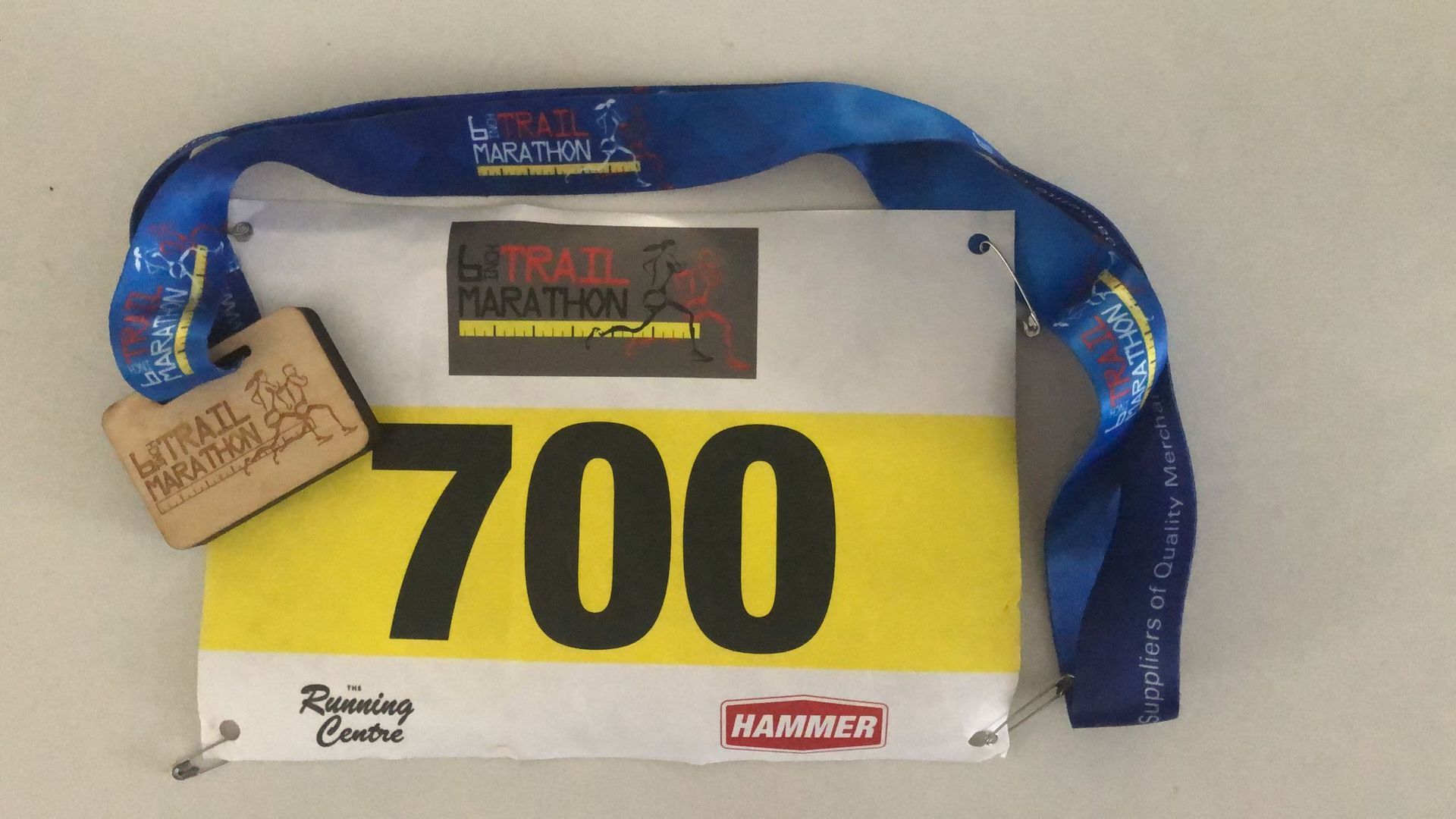
The final stretch was kind. I managed to run a decent pace for the last three kilometres and came in with about forty minutes to spare.

As I tell my kids, safety first, finishing second, winning third. I’m glad I didn’t have to test that order this time.
Reflections

Almost four weeks later, as I move into week three of my 200 mile campaign, the knee’s nearly back to 100 percent thanks to physio and some structured recovery.

It’s funny, this sport humbles you fast. One race can make you feel unbreakable, the next can take the wind straight out of you. But that’s part of the magic.

And if you’ve read this far, stop for a second and pat yourself on the back. You’re part of an incredible community, filled with wild, generous, slightly unhinged humans who show up, give everything, and look out for each other. That makes you pretty amazing too.

So yes, I’ll be back this year, probably with a bit more respect, and maybe some trekking poles.
By Jessica Short July 22, 2026
Your voice matters. Help shape the future of our sport
By Kate Dzienis July 19, 2026
Race results for 2026 Southern Sydney Track Ultra, 3M3D, Ultra Adelaide and Boyne Valley 50.
By Jin Kato July 8, 2026
The world-class trails of Kunanyi/Mt Wellington will play centre-stage for one of the country’s fastest-growing sports, after the Kunanyi Mountain Run (KMR) was awarded the hosting rights for the first-ever combined Australian Mountain and Trail Running Championships (AMTRC). KMR was awarded the National Championships after a competitive bid process, overseen by the Australian Ultra and Trail Running Association (AUTRA) and Australian Athletics (AA). AUTRA President, John Claridge, said that KMR “offered everything we were looking for”. “World-class trails, proven event management and a passionate community. It provides the perfect stage for Australia's first combined National Trail Championships," he said. It’s expected that Australia’s elite mountain and trail running athletes, and support crew, will travel to Hobart, as they vie for a spot in the Australian team that competes at the 2027 World Mountain and Trail Running Championships. "This is a landmark moment for trail running in Australia,” Mr Claridge said. "We're excited about what this championship represents; not just next year, but for the future of trail running in Australia... helping grow the sport and inspire the next generation of trail runners." The 2027 AMTRC at KMR will be the first time that all championship distances have been held together, at the one festival. “It aligns us more closely with the way World Championships are presented, creating a stronger pathway for athletes and raising the profile of the sport,” Mr Claridge said. KMR, a 3-day trail running festival which has been held annually since 2022, expects to draw more than 1500 runners and hikers from across Tasmania, Australia and internationally next year. The AMTRC will be embedded within KMR’s existing event program, allowing elite athletes to compete for the national titles, while sharing the same spectacular trails and event-experience as recreational runners. “We’re honoured to have been selected as host,” KMR’s founder and director, Lincoln Quilliam said. “KMR continues to welcome runners, and hikers, of all abilities. From the elites who want to represent Australia on the world stage, the group of mates or work colleagues who run the team relay together, the mums returning to running after having a baby, as well as those who are trying trail running for the very first time,” Mr Quilliam said. Tasmanian runner, Jessica Collins, who has represented Australia, said it was exciting news for KMR, Tasmania and the sport. “This is such a great opportunity for Australian athletes. I’ve run many of the KMR events and know the courses and the terrain are on par with what we see at the World Champs,” she said. The City of Hobart has supported Kunanyi Mountain Run since its inception, and Lord Mayor Anna Reynolds said she was “thrilled” with the news. “Events like this not only showcase the natural beauty of our region but also reinforce Hobart’s reputation as a vibrant destination for world-class outdoor experiences.” The 2026 edition of KMR brought in $4 million to the Tasmanian economy, generating more than 8000 bed nights across the state, which Alex Heroys, Chief Executive of Destination Southern Tasmania, said was a “significant return for the visitor economy”. “Kunanyi / Mount Wellington is one of Tasmania’s great natural assets, and the Kunanyi Mountain Run shows exactly how powerful events can be in driving regional tourism,” he said. “We have an epic mountain right on Hobart’s doorstep, an airport less than 30 minutes away, and a city that is well set up to welcome thousands of visiting athletes, support crews and spectators.” “This event also reinforces Tasmania’s growing reputation as a world-class trail running destination. With steep, technical trails and real mountain terrain, Kunanyi offers conditions that are genuinely comparable to what athletes will experience at the World Championships, making it an ideal place to compete, train and visit.” For more information: Kunanyi Mountain Run Dates: 19-21 March 2027 Pic credit: David Nolan & Ryan Slater
By Jin Kato July 7, 2026
AUTRA are excited to announce our national championship events for 2027!
June 29, 2026
Greg Wilson recaps his time at the 2026 New Zealand 6 Day Ultra
LOAD MORE

share this

IN OTHER NEWS

By Jessica Short July 22, 2026
Your voice matters. Help shape the future of our sport
By Kate Dzienis July 19, 2026
Race results for 2026 Southern Sydney Track Ultra, 3M3D, Ultra Adelaide and Boyne Valley 50.
By Jin Kato July 8, 2026
The world-class trails of Kunanyi/Mt Wellington will play centre-stage for one of the country’s fastest-growing sports, after the Kunanyi Mountain Run (KMR) was awarded the hosting rights for the first-ever combined Australian Mountain and Trail Running Championships (AMTRC). KMR was awarded the National Championships after a competitive bid process, overseen by the Australian Ultra and Trail Running Association (AUTRA) and Australian Athletics (AA). AUTRA President, John Claridge, said that KMR “offered everything we were looking for”. “World-class trails, proven event management and a passionate community. It provides the perfect stage for Australia's first combined National Trail Championships," he said. It’s expected that Australia’s elite mountain and trail running athletes, and support crew, will travel to Hobart, as they vie for a spot in the Australian team that competes at the 2027 World Mountain and Trail Running Championships. "This is a landmark moment for trail running in Australia,” Mr Claridge said. "We're excited about what this championship represents; not just next year, but for the future of trail running in Australia... helping grow the sport and inspire the next generation of trail runners." The 2027 AMTRC at KMR will be the first time that all championship distances have been held together, at the one festival. “It aligns us more closely with the way World Championships are presented, creating a stronger pathway for athletes and raising the profile of the sport,” Mr Claridge said. KMR, a 3-day trail running festival which has been held annually since 2022, expects to draw more than 1500 runners and hikers from across Tasmania, Australia and internationally next year. The AMTRC will be embedded within KMR’s existing event program, allowing elite athletes to compete for the national titles, while sharing the same spectacular trails and event-experience as recreational runners. “We’re honoured to have been selected as host,” KMR’s founder and director, Lincoln Quilliam said. “KMR continues to welcome runners, and hikers, of all abilities. From the elites who want to represent Australia on the world stage, the group of mates or work colleagues who run the team relay together, the mums returning to running after having a baby, as well as those who are trying trail running for the very first time,” Mr Quilliam said. Tasmanian runner, Jessica Collins, who has represented Australia, said it was exciting news for KMR, Tasmania and the sport. “This is such a great opportunity for Australian athletes. I’ve run many of the KMR events and know the courses and the terrain are on par with what we see at the World Champs,” she said. The City of Hobart has supported Kunanyi Mountain Run since its inception, and Lord Mayor Anna Reynolds said she was “thrilled” with the news. “Events like this not only showcase the natural beauty of our region but also reinforce Hobart’s reputation as a vibrant destination for world-class outdoor experiences.” The 2026 edition of KMR brought in $4 million to the Tasmanian economy, generating more than 8000 bed nights across the state, which Alex Heroys, Chief Executive of Destination Southern Tasmania, said was a “significant return for the visitor economy”. “Kunanyi / Mount Wellington is one of Tasmania’s great natural assets, and the Kunanyi Mountain Run shows exactly how powerful events can be in driving regional tourism,” he said. “We have an epic mountain right on Hobart’s doorstep, an airport less than 30 minutes away, and a city that is well set up to welcome thousands of visiting athletes, support crews and spectators.” “This event also reinforces Tasmania’s growing reputation as a world-class trail running destination. With steep, technical trails and real mountain terrain, Kunanyi offers conditions that are genuinely comparable to what athletes will experience at the World Championships, making it an ideal place to compete, train and visit.” For more information: Kunanyi Mountain Run Dates: 19-21 March 2027 Pic credit: David Nolan & Ryan Slater
ALL NEWS