


COACH’S CORNER – TOO MUCH, TOO FAST, TOO SOON

COACH’S CORNER – TOO MUCH, TOO FAST, TOO SOON

Kate Dzienis • February 28, 2019

Coach’s Corner is a feature for AURA members, where qualified trained professionals provide you with advice and tips on improving and enhancing your ultra running performance.

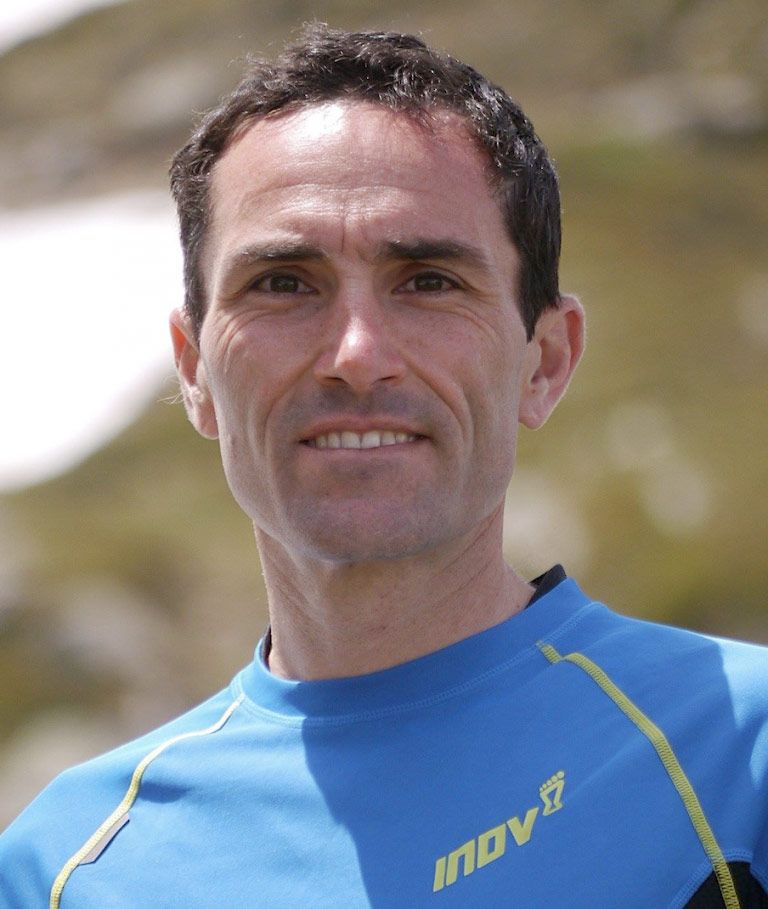
Contributed by Brendan Davies, UP Coaching Head Coach & 2018 Captain of the Australian 100k World Team.


UP Coaching specialises in coaching ultra runners across road and trail. Davies’ team of coaches include Australian ultra running representatives Kellie Emmerson, Kelly-ann Varey, Mick Keyte, David Kennedy, Jonathan Worswick and Jodie Oborne. UP Coaching has provided coaching to many prominent Australian ultra runners including Kellie Emmerson, Larissa Tichon, Lou Clifton, Robyn Bruins, Andrew Hough, Steph Auston, Tia Jones and Corrina Black.  
What is overtraining?
Overtraining happens when the intensity and/or the frequency of your training exceeds your body’s ability to recover from the training load.

It can seriously affect you mentally, physically and emotionally.

When it comes to overtraining, there are different levels:

  1. Acute overtraining – this is a result of trying to run too intensely, too many days in a row without proper recovery. Acute, or short term, overtraining will typically manifest itself as soreness or worse yet injury, but this type of fatigue can usually be addressed with a brief rest period.
  2. Chronic overtraining – this definitely tends to come on much more gradually over weeks and months. Chronic fatigue, attributed to overtraining for a long period of time because of its gradual and systematic nature, can really take you down and put you out for a significant period of time.

First signs of chronic overtraining:

  • Generalised fatigue
  • Weight loss and loss of appetite
  • Diarrhoea
  • Restless sleep and early morning awakenings
  • Sexual disinterest
  • Acute exhaustion marked by breathlessness
  • Colds or flus
  • Higher perceived effort for the same sessions
  • Increased resting heart rate
  • Underperforming in ‘sweetspot’ racing
  • Recurrent headaches
  • Loss of desire and motivation to train


Preventing overtraining:

  1. Don’t race too frequently.Running races puts a lot of stress on your body. Without taking time to recover from frequent racing, and devoting time to train in a periodised fashion towards them, your performances will plateau. Since racing should be 100% maximum effort, you’ll quickly peak your current fitness and have trouble running significantly faster. I recommend no more than 1-2 races per month, depending on race goals and distances.
  2. Sleep as much as you need.This is a no-brainer. Getting fitter and fresher happens when you sleep and recover because that’s when your body adapts and super-compensates from your training. Do yourself an easy favour and make sure you get at least 7-8 hours of sleep every night.
  3. Eat real food in the right quantities.Your diet provides the fuel and nutrients you need to train and it helps your body recover from the workouts and long runs that you’re doing on a weekly basis.
  4. When training, don’t focus too much on one thing.Some runners get convinced they need to do long runs every other day or run interval workouts three times every week. You’re going to get over-trained if you put too much emphasis on any one type of training. Training should be varied: there are staples, like easy distance runs, and then runs like long runs, interval workouts, or hill sprints where you only need a bit. Variety is important, so don’t get stuck doing too much of one thing for too long.
  5. Recovery runs should enhance recovery (freshness), not fitness.Don’t fall into the trap of trying to “get a workout” from a recovery run. That’s not the point of these easy runs and if you try to run too far or too fast, you’re potentially negating the positive training affects from the harder workouts. Easy runs allow the quality sessions to shine!


Know the purpose of every run and stick to your plan. Most runners run too fast on their easy days and too slow on their hard days. Strike a balance and know when to push the pace and when to take it easy.

Breaking the habits of overtraining

For some readers, particularly the case with many ultrarunners who tend to be on the slightly obsessive and compulsive side naturally, prevention is no longer an option and years of overtraining have ingrained unhealthy training patterns that have led to bouts of chronic overtraining. So how do you break the habits and form new ones which will help you avoid doing the same unhealthy patterns over and over?

  1. Try halving your usual routine for a month.Half your usual volume and frequency of training and see if energy levels and motivation improves. Focus on other aspects of your training instead like flexibility, strength, etc.
  2. Find some other ways to deal with life.Unfortunately far too many runners, particularly ultrarunners, use running as (and often the only) coping mechanism for the myriad of issues life naturally presents. While running can be a great therapeutic tool, it can’t be the only tool you have. Commitment to a healthy habit is one thing, dependence is another thing altogether.
  3. Utilise a coach.Even if you feel you don’t need a coach for any other purpose than to keep you accountable to a safer, sounder training program, then that is as good a reason to have a coach as any! Personally, I can vouch from my own athletes who I coach, there is a large percentage of them who know the nuts and bolts of running training pretty much as well as I do, but one of the major reasons for utilising me is for that level of both expertise and accountability when it comes to training load, recovery and periodising towards the races that matter and to avoid the overtraining traps!


I hope this article has helped you assess your training and given you some thoughts on overtraining. ‘Listening to your body’ is a key component of the success of runners both in performance, durability and longevity. Don’t ignore the early signs as prevention is of course the best treatment. Like all things though, some of us occasionally will push the envelop in search of our bodies limitations, and bad patterns may develop, some over many years. In this case, I highly recommend seeking the advice of experts.

Brendan Davies, Head Coach
Up Coaching

Get in touch with Brendan Davies and his team at UP Coaching by clicking on the logo above, emailing him at brendan@upcoaching.com.au or visiting Instagram or Facebook.

By Kate Dzienis March 23, 2026
Herdy's Frontyard Ultra, WA Gold Coast Backyard Ultra, Qld I'm Still Standing Sydney, NSW Trail Run Australia - Tathra, NSW Sri Chinmoy 48hr Track Ultra (Australian 48hr Track Championships, ACT Washpool World Heritage Trails, NSW Tamworth Trailblazer, NSW Upcoming Events WEEKLY NEWS REPORT FOR 23-3-2026 As always, we're continuously on the hunt for your stories and reports, so get those race reports and photographs in to ultramag@autra.asn.au with the following information: Word document, single spaced Include the name of the event, the date and the location anywhere in the report (just a bullet point at the top is great) Please attach photographs to the email – do not put images in the body of your Word doc. You’ll just get me emailing you back asking for the photos sent in the correct way! As many photos as possible. With our new website, it’s now easier than ever to include a nice gallery in each race report No PDFs please And remember, it doesn’t have to be about an AUTRA-listed event specifically! You just have to be an AUTRA member for the 2026 year. Also too, if you’ve run in a non-AUTRA listed event anywhere on home soil or internationally, we’d love to include your race results and experience in our Member Updates, so please do reach out to us via email to kate.dzienis@autra.asn.au If any corrections need to be made in any of the results listed below, please alert me via email.
By Dave Martin March 14, 2026
AUTRA’s Annual General Meeting (AGM) will be held on Wednesday 15 April 2026
March 12, 2026
AUTRA has been in direct contact with the organisers of the Snowies Trail Run Festival, In2Adventure, regarding a recent situation involving an athlete and the event’s in‑person safety briefing requirements. In2Adventure has confirmed that the situation was discussed directly with the athlete at the time.​ From In2Adventure’s account, and for the purpose of clarifying the public record, AUTRA notes the following points:​ At no stage was the athlete prevented from breastfeeding at the event.​ The organiser states that the following options were offered to enable the athlete to participate while still meeting safety requirements: a quiet and private space where she could breastfeed while still being present at the briefing; the option to receive the required briefing at the 30 km start line after the start; and the option to change her registration to the 21 km event, where the briefing is conducted on the start line.​ At no stage prior to event registration on Saturday night did the athlete contact the organiser to advise of her situation or request alternative arrangements, which limited what could be put in place at the time.​ Face‑to‑face safety briefings have always been a requirement for In2Adventure events due to the remote and higher‑risk nature of the trails. AUTRA was aware that in‑person briefings were used and had not raised concerns about that general approach. The organiser has indicated that this requirement is driven by safety, duty‑of‑care and insurance obligations, and follows previous experience where remote or online briefings resulted in athletes starting events without critical safety information.​ The organiser maintains that the event was not conducted in a manner that was intended to be non‑inclusive, inflexible or discriminatory, and that decisions made on the day were based solely on safety requirements that apply equally to all participants.​ AUTRA’s aim in issuing this statement is solely to clarify the context and ensure that the public record reflects the information provided to us by the organiser.
By Kate Dzienis March 12, 2026
Results for 2026 Lark Hill Party Ultra, Belair Marathon, Mirrim Wurnit Back Paddock Ultra, and Coombabah Trail Run.
By Dave Martin March 2, 2026
Carrying that mandatory gear
LOAD MORE

share this

IN OTHER NEWS

By Kate Dzienis March 23, 2026
Herdy's Frontyard Ultra, WA Gold Coast Backyard Ultra, Qld I'm Still Standing Sydney, NSW Trail Run Australia - Tathra, NSW Sri Chinmoy 48hr Track Ultra (Australian 48hr Track Championships, ACT Washpool World Heritage Trails, NSW Tamworth Trailblazer, NSW Upcoming Events WEEKLY NEWS REPORT FOR 23-3-2026 As always, we're continuously on the hunt for your stories and reports, so get those race reports and photographs in to ultramag@autra.asn.au with the following information: Word document, single spaced Include the name of the event, the date and the location anywhere in the report (just a bullet point at the top is great) Please attach photographs to the email – do not put images in the body of your Word doc. You’ll just get me emailing you back asking for the photos sent in the correct way! As many photos as possible. With our new website, it’s now easier than ever to include a nice gallery in each race report No PDFs please And remember, it doesn’t have to be about an AUTRA-listed event specifically! You just have to be an AUTRA member for the 2026 year. Also too, if you’ve run in a non-AUTRA listed event anywhere on home soil or internationally, we’d love to include your race results and experience in our Member Updates, so please do reach out to us via email to kate.dzienis@autra.asn.au If any corrections need to be made in any of the results listed below, please alert me via email.
By Dave Martin March 14, 2026
AUTRA’s Annual General Meeting (AGM) will be held on Wednesday 15 April 2026
March 12, 2026
AUTRA has been in direct contact with the organisers of the Snowies Trail Run Festival, In2Adventure, regarding a recent situation involving an athlete and the event’s in‑person safety briefing requirements. In2Adventure has confirmed that the situation was discussed directly with the athlete at the time.​ From In2Adventure’s account, and for the purpose of clarifying the public record, AUTRA notes the following points:​ At no stage was the athlete prevented from breastfeeding at the event.​ The organiser states that the following options were offered to enable the athlete to participate while still meeting safety requirements: a quiet and private space where she could breastfeed while still being present at the briefing; the option to receive the required briefing at the 30 km start line after the start; and the option to change her registration to the 21 km event, where the briefing is conducted on the start line.​ At no stage prior to event registration on Saturday night did the athlete contact the organiser to advise of her situation or request alternative arrangements, which limited what could be put in place at the time.​ Face‑to‑face safety briefings have always been a requirement for In2Adventure events due to the remote and higher‑risk nature of the trails. AUTRA was aware that in‑person briefings were used and had not raised concerns about that general approach. The organiser has indicated that this requirement is driven by safety, duty‑of‑care and insurance obligations, and follows previous experience where remote or online briefings resulted in athletes starting events without critical safety information.​ The organiser maintains that the event was not conducted in a manner that was intended to be non‑inclusive, inflexible or discriminatory, and that decisions made on the day were based solely on safety requirements that apply equally to all participants.​ AUTRA’s aim in issuing this statement is solely to clarify the context and ensure that the public record reflects the information provided to us by the organiser.
ALL NEWS