



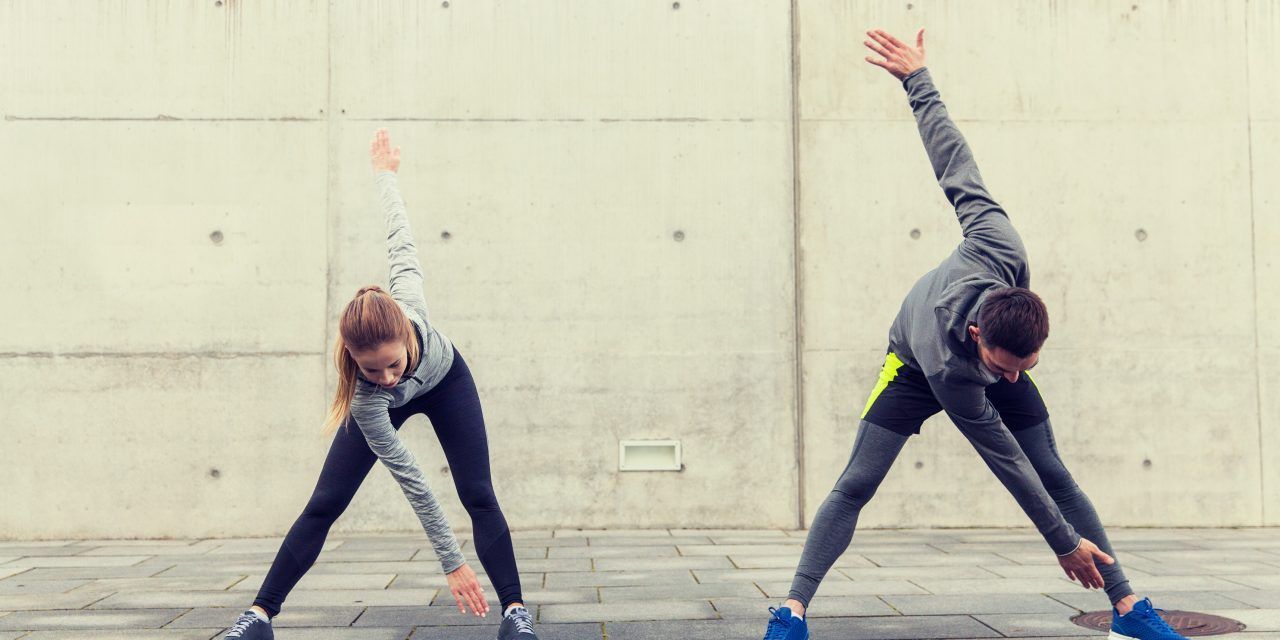
COACH’S CORNER WITH PETE COLAGIURI: WARMING UP WHEN IT’S COOLING DOWN
Peter Colagiuri is a Sports Physiotherapist, Level 3 Running Coach and ultra runner. He works clinically at Bioathletic in Sydney and is developing the first mobile app (https://injury.app) to diagnose running injuries and prescribe rehab programs.
Warming up at the start of a training session serves a number of purposes.
It helps to get joints moving through their normal range to allow efficient biomechanics. It gets blood flowing through muscles to ensure they’ve got adequate blood supplies for the job ahead. And it improves the elastic bounce of your connective tissues to ensure they can effectively store energy and aren’t damaged in the stretch/rebound cycle.
Most runners warm up by just starting their run a little slower. Starting out slower for the first 5 minutes allows time for everything to warm up. It lets you ease into your optimal, efficient running technique. However in cooler conditions, this kind of warm up can present a few challenges, heightening your injury risk.
A typical winter morning in Melbourne, or any winter day in Hobart, involves temperatures in single digits and a wind chill that makes sure you know it’s winter.
Although it feels like you may never get warm, your internal body regulation is still remarkably effective – deeper and bigger muscles will warm up quickly with exercise. The problem actually relates to feeling cold and having reduced control over your periphery.
When your surface temperature is way down, the ability for your brain to perceive movement is reduced. With reduced body awareness comes inefficient movements and an increased risk of injury.
We often see a number of mid-winter injuries relating to cold starts – calf injuries from having to jump up over a gutter or hammy injuries in muscles that weren’t ready to stretch out.
So what’s the best way of overcoming a cold start?
Dressing for the conditions is good but it still relies on your body providing the warmth that your clothing will retain. And as any cold weather runner will know, the clothing that makes you comfortable when you step out of the door usually makes you way too hot a few minutes later…
Starting with a good indoor warm-up routine is your magic solution! That’s not running laps around your living room or garage (as we all did it the height of COVID).
To cover each aspect of the warm-up that we mentioned at the start, you need to get the blood pumping, your joints moving and your connective tissue bouncing.
Once you’ve done your indoor warm up, you can head out the door with the right combo of warm muscles and movement awareness (as well as clothing that’s already begun to store body heat.) You can get straight into your optimal running technique without the risk of inefficiency or injury.
There’s no right or wrong way to do your indoor warm up, as long as it provides increased heart rate, full range of motion in leg joints and some bounce.
Here’s a simple example (around 30 seconds on each exercise)
- Alternating forward lunge with increasing depth
- Push ups
- Box squats over a chair or couch
- Walking lunge focusing on stretching out and maintaining stability
- Jump squats
Another injury risk factor in cold weather relates to stopping mid run. This might be a food stop, pausing for a gear change or stopping to chat to a friendly passing runner.
Once any rest stop hits 3 minutes, your heart rate has significantly slowed and there’s less blood pumping to your working muscles. After around 5 minutes, muscles have started to stiffen up which will affect your technique and efficiency when you start running again.
In cold weather, the negative effects of a rest stop are heightened as your skin surface temperature drops a lot quicker. Your ability to feel and adjust your running technique is diminished and the risk of injury increases until you warm up again.
If you need to stop for a break of 3 minutes or more, try to keep moving – even walking will maintain connective tissue and muscle properties. If you cool down too much, start out slow or walk for a few minutes before returning to your training pace.




share this
IN OTHER NEWS
