


Running is one of the few sports in which you can improve as you get older, and it’s no surprise that many of us discover it when our lives have settled in with work and family. And as we slowly (or exceptionally fast!) develop a passion for tying those laces and heading out the door before the sun rises to claim victory over a race or personal goal, we learn and preach to others that you’re never too old to start running.
Sure, there’s the inevitable decline with ageing, but ultra runners are breaking down that barrier. Why? Because older runners have years of experience and knowledge about training, cross-training, and can tolerate pain better than when they were younger.
But what about people who started running in their 40s, 50s or 60s as opposed to in their 20s or 30s? Their bodies are just beginning to get into the swing of things and adapt to physiological changes that occur when you go from zero cardiovascular activity – okay, maybe not zero, so let’s say from zero to ‘some’ cardiovascular activity.
Mark Tarnopolsky, director of the Neuromuscular and Neurometabolic Clinic at McMaster University in Ontario, USA is also a runner, and has won an Ontario trail-running series three years running in his early 40s. He has said previously that putting adults aged 65 and older on exercise programs has shown those who came into the sport late were especially good at hanging on to their performance, and even improving with age.
It used to be that exercise physiologists and scientists thought the cardiovascular system’s decline started at about age 25, but over the years it’s been seen that people can maintain their aerobic capacity longer if they keep training.
So if you’ve never trained seriously until age 40, it’s quite possible to keep improving. We spoke to three AURA members about how and why they decided to start in the sport when they reached their 40s.
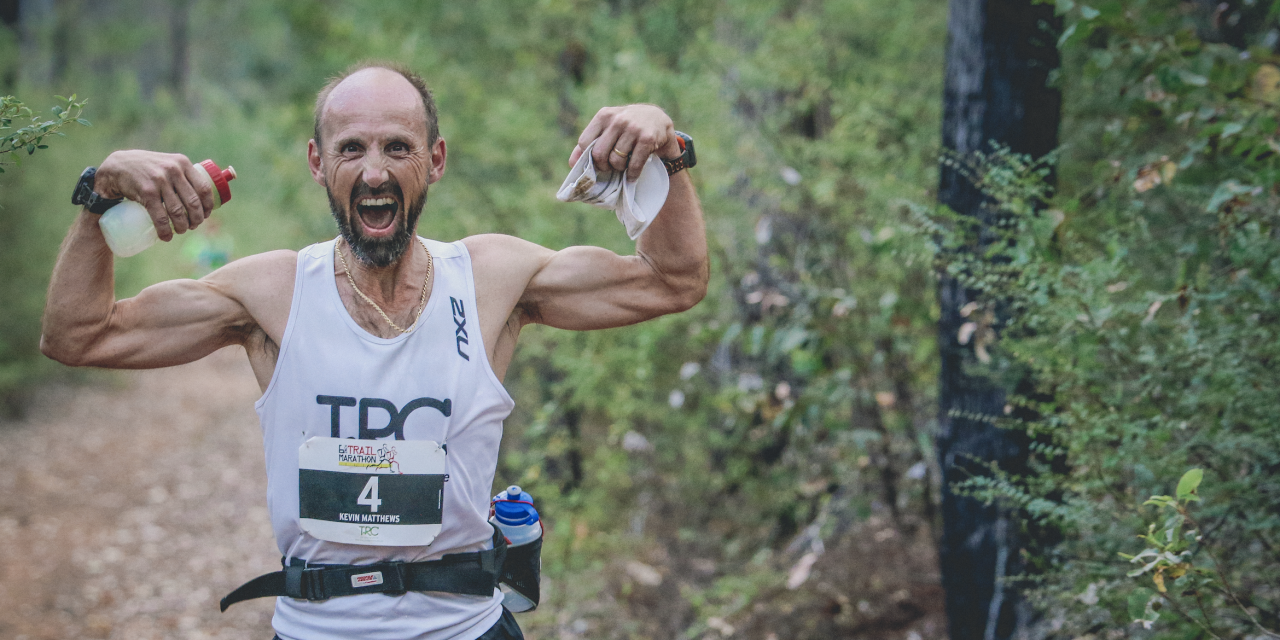
Kevin ‘Big Kev’ Matthews from Perth, WA starting running shortly after turning 41 and getting straight into training for Comrades; 10 years later, and he’s faster than ever.
With 43 successful marathons and 20 ultras behind him, including a silver medal in the 45-50 age group at the World Masters in Perth (7th overall) in 2016, Big Kev says it’s all in the mind and that physical barriers can be broken as you get older.
“My first ultra was the Bunbury 50k, as a last big training run before Comrades,” he reveals.
“Because I started quite late, people see a 40 year old runner but they don’t think about how well they do at this time of their life; I’ve always believed you have seven or eight years of PBs after you start running – so if you start at 20, that’s about a decade of some of your best times. Same for 30, 40 and so on.”
Big Kev explains the social aspect of running is stronger later in life, especially for him, with those entering their 20s preferring to go out in the evenings without any thought of the next day, while once you’re settled down with a family and work responsibilities, one is more inclined to look forward to early starts with fellow runners.
“Your mind governs your performance, and I’m a big believer in that the older runner is at an advantage as the race goes on, because it’s all mental, and we have the life experiences to pull us back or forward to rise up above the challenges,” he says.
“Running is all encompassing, isn’t it? It can take over your life, and when you’re a bit older, you sort life around your running because you can.”
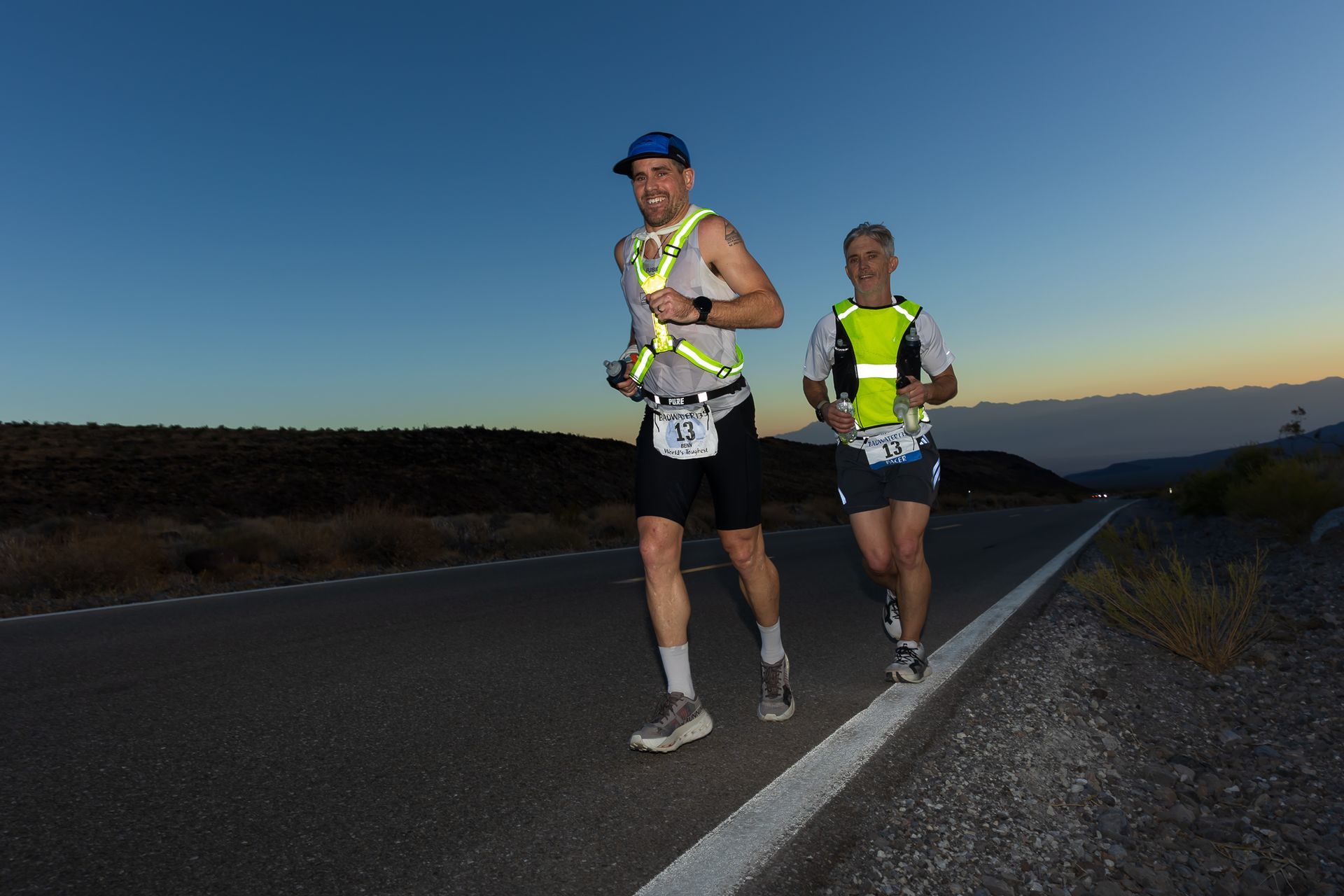
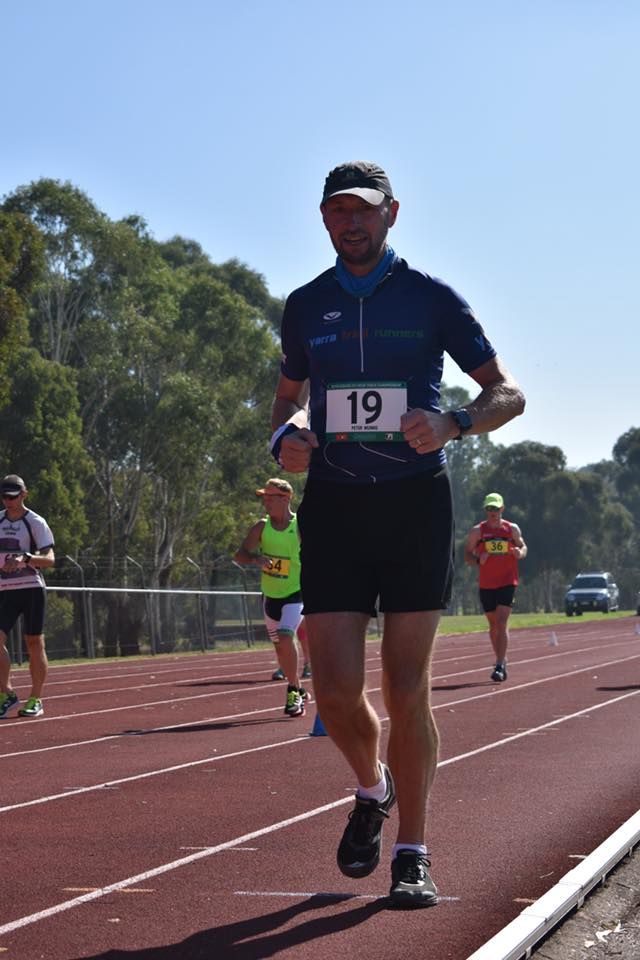
Peter Munns, from East Melbourne (pictured right at the 2018 Coburg 24hr) said he wanted to start running when he was 40 but instead began with intense hiking to live a dream – complete the Kokoda Track in six days. Several years later, he finished the 100kms Oxfam walk within a team, and now at 51, has moved on to running.
He says he put himself on a couch-to-5k program when he decided to hit marathon distances to push himself to the next level, and he hasn’t stopped since despite some nuisances.
“I suffered some slight muscle issues but to be honest, I have only had Achilles heel issues, and in hindsight I think I jumped into speed work too quickly,” he said.
“Apart from that, I’ve got to say that as an older runner, what I’m most proud of, is I’ll go out for two, three, eight, thirty-something hours at an event, come home, and I’ll recover really quickly with virtually no soreness the next day.
“At this age, I’m aiming for the minimum effective dose of training, and have found my sweet spot is about 80kms. At the end of the day, I’m pretty happy I started running when I did because sure, I might slow down, but want to keep going until I drop.”
Ingrid Morrison from Lower Plenty, Vic started running five years ago at age 42 when a friend was diagnosed with breast cancer. Not knowing what she could do for her, Morrison signed up last minute for the Mother’s Day Classic in the hope that her entry fee would go towards raising funds for a worthy cause.
Morrison almost immediately signed up for the Melbourne Marathon after the Mother’s Day Classic, and trained for 16 weeks in the lead up.
“Despite pulling both knee ligaments during the race, I felt I had unfinished business with the marathon even though I’d finished,” she says.
“But I was completely hooked and obsessed; I think being a mother, and being older and wiser, it helps a lot to run long distances as I have learnt to be patient, deal with the unexpected, and also deal with the physical and emotional pain.
“I also have more mental power to push myself further.”
The message is that age is less of a barrier to improvement in running than it is in other sports – although it’s true the aches and pains of daily living start to catch up with you as you get older. What you ignored in your 20s can not be ignored in your 40s. But it all comes down to perspective and understanding your body – and as we hit our 40s and beyond, our life experience carries into our knowledge of running, and that’s how and where we push ourselves the most.
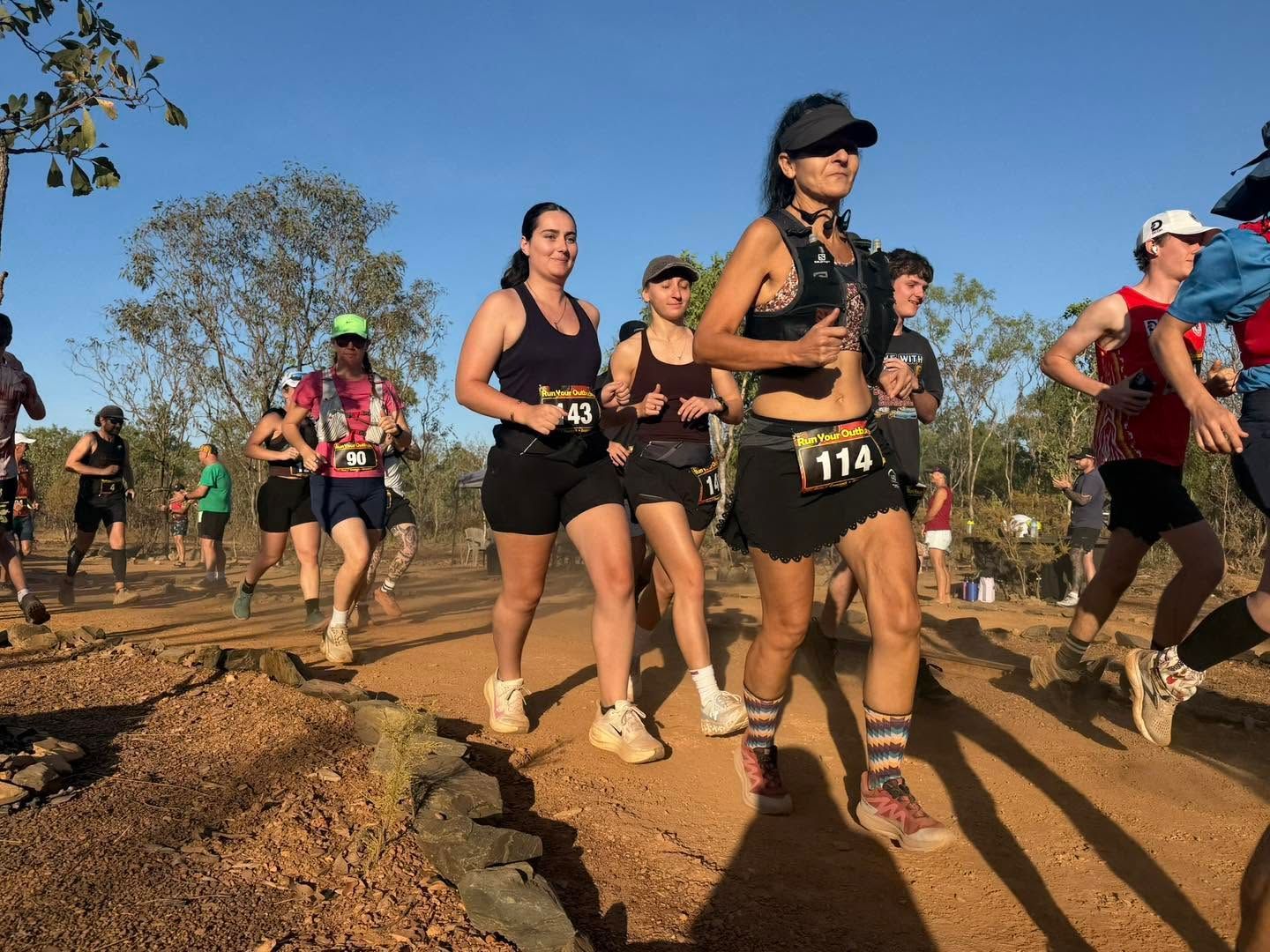
Pictured: Kevin ‘Big Kev’ Matthews racing at Perth’s 6 Inch Trail Ultra. Photograph – Supplied.